
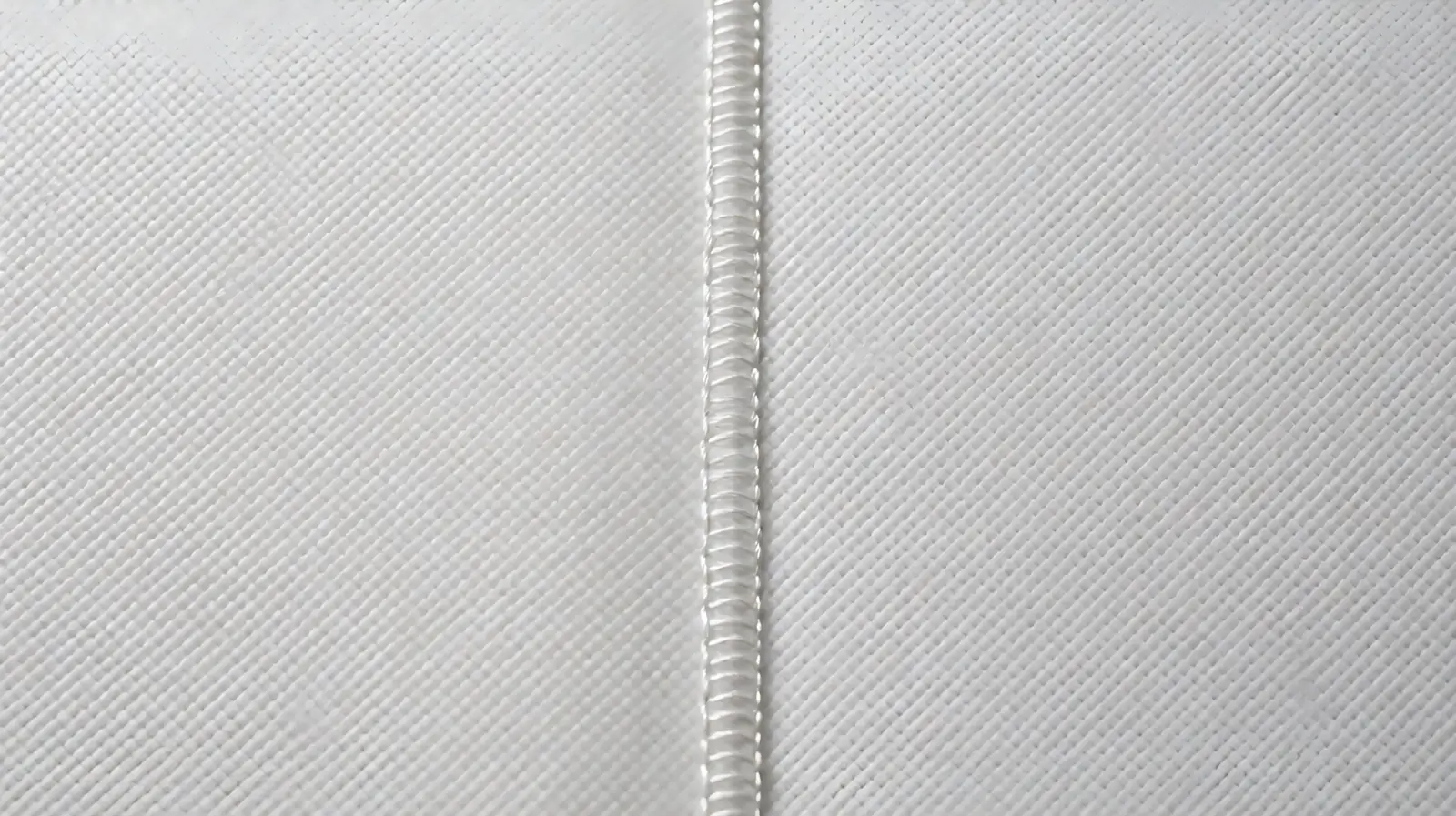
Non-Woven Bags: Ultrasonic Welding vs Stitching Tensile Guide
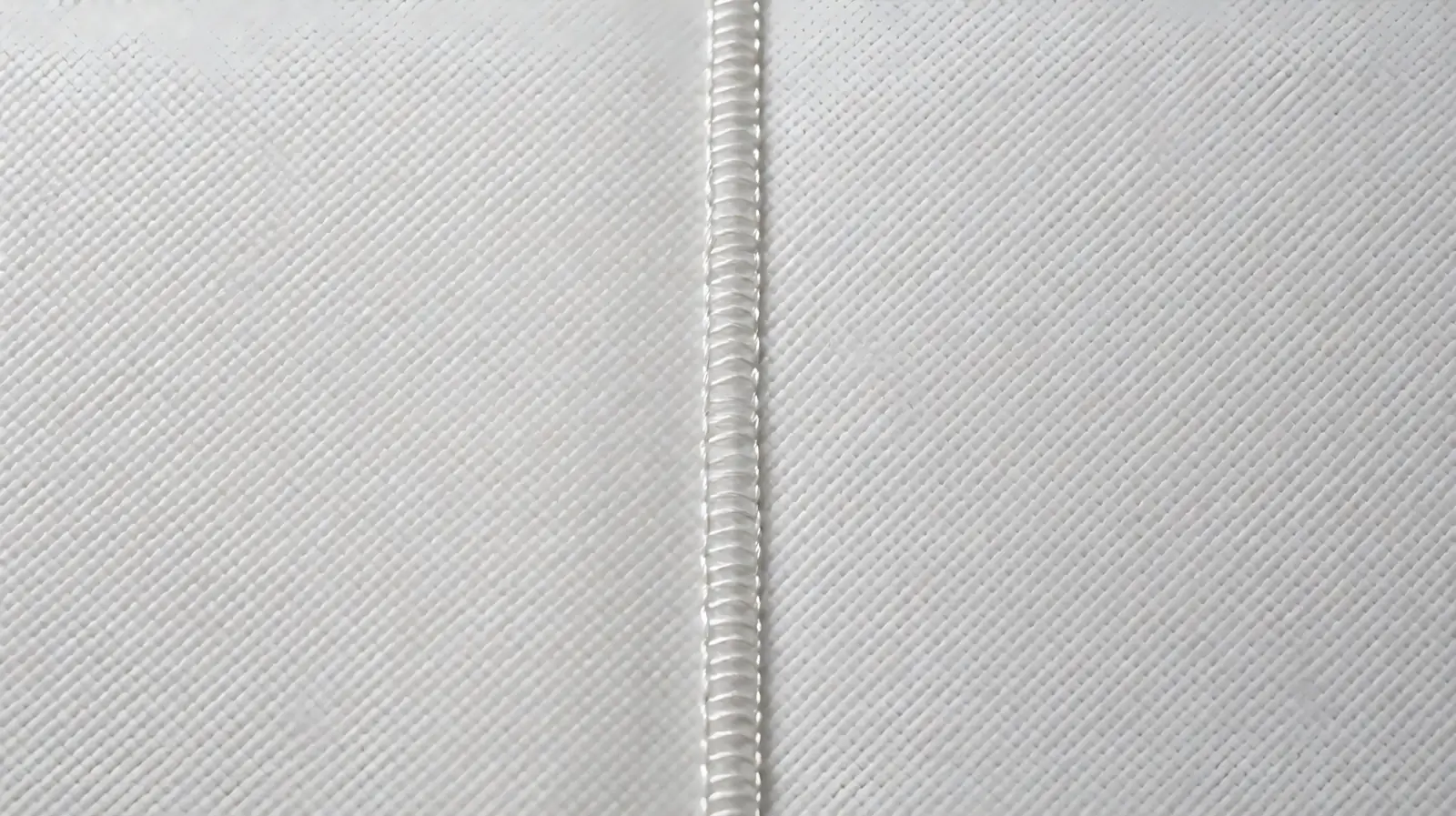
In retail merchandising, corporate trade shows, and municipal plastic bag ban compliance, the Polypropylene (PP) Non-Woven Reusable Bag has established itself as the world’s most widely distributed eco-friendly carrier. Lightweight, cost-effective, and capable of hundreds of reuse cycles, spunbond non-woven fabric offers the ideal canvas for brand exposure.
However, packaging procurement teams and retail brand managers frequently face a fundamental manufacturing choice: Automated Ultrasonic Welding vs. Traditional Manual Stitching (Sewing).
While automated ultrasonic bag-making machinery delivers unprecedented output speeds and lower unit costs, can a molecular acoustic weld withstand the same dynamic tensile loads as a traditional double-needle polyester lockstitch?
This engineering guide examines seam tensile mechanics (ISO 13935-2), thermoplastic fiber fusion, handle pull-off resistance, production economics, and mono-material recyclability.
1. Quick Engineering Benchmark Matrix
| Manufacturing Parameter | Fully Automated Ultrasonic Welding | Traditional Manual Cut-and-Sew Stitching |
|---|---|---|
| Joining Mechanism | 20 kHz acoustic friction melting PP fibers | Interlocking polyester/cotton thread lockstitch |
| Manufacturing Speed | High speed (50 to 100+ bags/minute) | Low speed (2 to 4 bags/minute per operator) |
| Labor Cost per Unit | Ultra-Low (< 10% total unit cost) | High (40% to 55% total unit cost) |
| Seam Tensile Strength (ISO 13935-2) | 80 N to 140 N per 50mm strip | 140 N to 240 N per 50mm strip (Superior) |
| Handle Attachment Architecture | Single or double acoustic punch stamp | Reinforced Cross-X box stitch (Extreme load) |
| Safe Working Load (SWL) | 5 kg to 10 kg (Standard retail carry) | 12 kg to 20 kg (Heavy grocery & wholesale) |
| Mono-Material Recyclability | 100% Pure Polypropylene (PP 05 circular) | Mixed material (Foreign thread contaminates melt) |
| Best-Fit Retail Segment | Promotional giveaways, fast retail, events | Heavy grocery totes, department stores, luxury |
Explore reusable bag formats in our PP Non-Woven Bags Product and Reusable Bags Category.
2. Process Mechanics: Thermoplastic Fusion vs. Mechanical Stitching
Understanding the joining physics explains the structural performance of each seam:
┌────────────────────────────────────────────────────────────────────────┐
│                   SEAM JOINING MECHANISM COMPARISON                    │
├───────────────────────────────────┬────────────────────────────────────┤
│     ROTARY ULTRASONIC WELDING     │     MANUAL THREAD STITCHING        │
├───────────────────────────────────┼────────────────────────────────────┤
│                                   │                                    │
│   [ACOUSTIC HORN: 20 kHz]         │          [STEEL NEEDLE]            │
│          │                        │                 │                  │
│          ▼ Micro-Vibrations       │                 ▼ Mechanical Piercing│
│   ░░░░░░░░░░░░░░░░ (Layer 1 PP)   │   ░░░░░░░░░░░░░░░░░░░ (Layer 1 PP) │
│   ════ Patterned Anvil Wheel ════ │   ─ ─ ─ ─ ─ ─ ─ ─ ─ ─  (Lockstitch)│
│   ░░░░░░░░░░░░░░░░ (Layer 2 PP)   │   ░░░░░░░░░░░░░░░░░░░ (Layer 2 PP) │
│                                   │                                    │
│   • Frictional heat melts fibers  │   • Needle pierces fabric holes    │
│   • Zero thread, zero needles     │   • 2-ply polyester thread binds   │
│   • Molecular fusion across knurl │   • Tensile load shared along      │
│     points in < 50 milliseconds   │     continuous synthetic thread    │
│                                   │                                    │
└───────────────────────────────────┴────────────────────────────────────┘
The Ultrasonic Welding Process
Spunbond non-woven fabric consists of 100% continuous extruded polypropylene (PP) filaments bonded by thermal calender rollers.
- In ultrasonic bag machines, the fabric layers pass between a titanium sonotrode horn vibrating at 20,000 Hz and an engraved patterned steel anvil wheel.
- The mechanical vibrations induce high-frequency shear friction between the PP fibers, melting them at 165°C at the contact points of the embossed pattern.
- Under anvil nip pressure, the molten resin cools in milliseconds, forming a continuous, sealed seam with zero foreign adhesives or threads.
The Stitched Seam Process
Cut-and-sewn bags use industrial sewing machines running multi-filament polyester or nylon threads:
- The needle punches physical holes through the non-woven web, looping top and bobbin threads into an interlocking ISO 4915 Type 301 lockstitch.
- The seam’s ultimate strength is determined by the tensile strength of the thread and the tear resistance of the punctured non-woven web.
3. Seam Strength & Handle Failure Modes
Under extreme retail loading, ultrasonic welds and stitched seams fail along different mechanical vectors:
HANDLE TENSILE RETENTION ARCHITECTURE
ULTRASONIC PUNCH WELD                 STITCHED BOX-X REINFORCEMENT
┌─────────────────┐                   ┌─────────────────┐
│  HANDLE TAPE    │                   │  HANDLE TAPE    │
│  ┌───────────┐  │                   │  ┌───────────┐  │
│  │ ░░░░░░░░░ │  │                   │  │ ┌───────┐ │  │
│  │ ░░ WELD ░ │  │                   │  │ │ ╲   ╱ │ │  │
│  │ ░░░░░░░░░ │  │                   │  │ │   X   │ │  │
│  └───────────┘  │                   │  │ │ ╱   ╲ │ │  │
│  BAG BODY       │                   │  │ └───────┘ │  │
│                 │                   │  └───────────┘  │
│ Single point of │                   │ Four perimeter  │
│ stress peak     │                   │ seams + X-brace │
└─────────────────┘ └─────────────────┘- The Ultrasonic Failure Mode (Thermal Thinning): If ultrasonic amplitude is tuned too aggressively, the acoustic horn over-melts the thin fabric, creating a “notch effect” or thermal groove where the web thickness drops from 80 GSM to 25 GSM. Under heavy load, the seam shears along this thinned border. High-grade converters deploy micro-pyramidal or wave-knurl anvils that preserve 75% un-melted fibrous matrix between weld dots.
- The Stitched Failure Mode (Hole Elongation): Under repetitive cyclic jerking, thread tension concentrates around needle punctures, causing the holes to stretch into slots. However, the multi-ply polyester thread will not snap, providing graceful deformation rather than abrupt tearing.
4. Spunbond Fabric GSM Optimization
Selecting the proper basis weight (GSM) prevents premature product failure:
┌────────────────────────────────────────────────────────────────────────┐
│            PP NON-WOVEN GSM SELECTION & RECOMMENDED SEAM               │
├─────────┬───────────────────┬───────────────────┬──────────────────────┤
│ FABRIC  │ SAFE PAYLOAD      │ RECOMMENDED SEAM  │ BEST-FIT APPLICATION │
├─────────┼───────────────────┼───────────────────┼──────────────────────┤
│ 60 GSM  │ 3 kg – 5 kg       │ Ultrasonic Only   │ Pharmacy / Trade Show│
│ 75 GSM  │ 6 kg – 9 kg       │ Ultrasonic or Sew │ Apparel & Footwear   │
│ 90 GSM  │ 10 kg – 14 kg     │ Ultrasonic or Sew │ Supermarket Groceries│
│ 110 GSM │ 15 kg – 20 kg     │ Stitched Box-X    │ Heavy Hardware / Wine│
│ 130 GSM │ 20 kg – 25+ kg    │ Stitched Box-X    │ Industrial Bulk Totes│
└─────────┴───────────────────┴───────────────────┴──────────────────────┘- The 80 GSM Sweet Spot: For general retail shopping bags, 80 GSM spunbond PP combined with dual-line ultrasonic welding offers the optimal equilibrium of material cost, carrying capacity (up to 8 kg), and smooth hand feel.
Compare life cycle analysis in our RPET vs PP Non-Woven Reusable Bags LCA Guide.
5. Circular Economy & PPWR Mono-Material Recyclability
In the era of European PPWR and Extended Producer Responsibility (EPR):
RECYCLABILITY PURITY COMPARISON
┌──────────────────────────────────────────────┐
│  ULTRASONIC NON-WOVEN TOTE (100% PURE PP)    │
│  • Bag body: Polypropylene (PP 05)           │
│  • Handles: Polypropylene (PP 05)            │
│  • Seam: 100% Molecular PP Fusion            │
│  RESULT: 100% MONO-MATERIAL CIRCULAR RECYCLE │
└──────────────────────────────────────────────┘

┌──────────────────────────────────────────────┐
│  SEWN NON-WOVEN TOTE (CONTAMINATED)          │
│  • Bag body: Polypropylene (PP 05)           │
│  • Thread: Polyester (PET) or Cotton         │
│  RESULT: Requires thread removal or causes   │
│  contamination during mechanical regrinding. │
└──────────────────────────────────────────────┘
Because ultrasonic bags contain zero foreign materials—no glue, no cotton, no polyester thread—the entire bag can be thrown directly into industrial PP recycling streams, melting into high-grade polypropylene pellets without chemical separation.
6. Procurement & Specification Checklist
When requesting quotes for custom PP non-woven reusable bags:
- Define Intended Use: Choose ultrasonic welding for high-volume promotional campaigns (> 10,000 units); specify stitched seams for heavy grocery shopping.
- Specify Handle Attachment Type: If ordering ultrasonic bags for > 6 kg loads, mandate reinforced double-pass ultrasonic weld blocks on handle roots.
- Verify Tensile Seam Testing: Mandate seam strength tests under ISO 13935-2 confirming > 100 N tensile resistance.
- Select Printing Method: Pair with non-toxic flexographic water-based inks or laminated full-color rotogravure film for photographic branding.
Partner with CraftPack Global for Reusable Packaging
CraftPack Global manufactures custom non-woven reusable shopping bags, operating fully automated high-speed ultrasonic lines and precision cut-and-sewn tailoring facilities.
Contact Our Reusable Bag Specialists to request fabric swatch books, dieline templates, and competitive factory-direct quotes.