
Pouch Tear Notches vs Laser Scoring: Easy-Open Film Guide
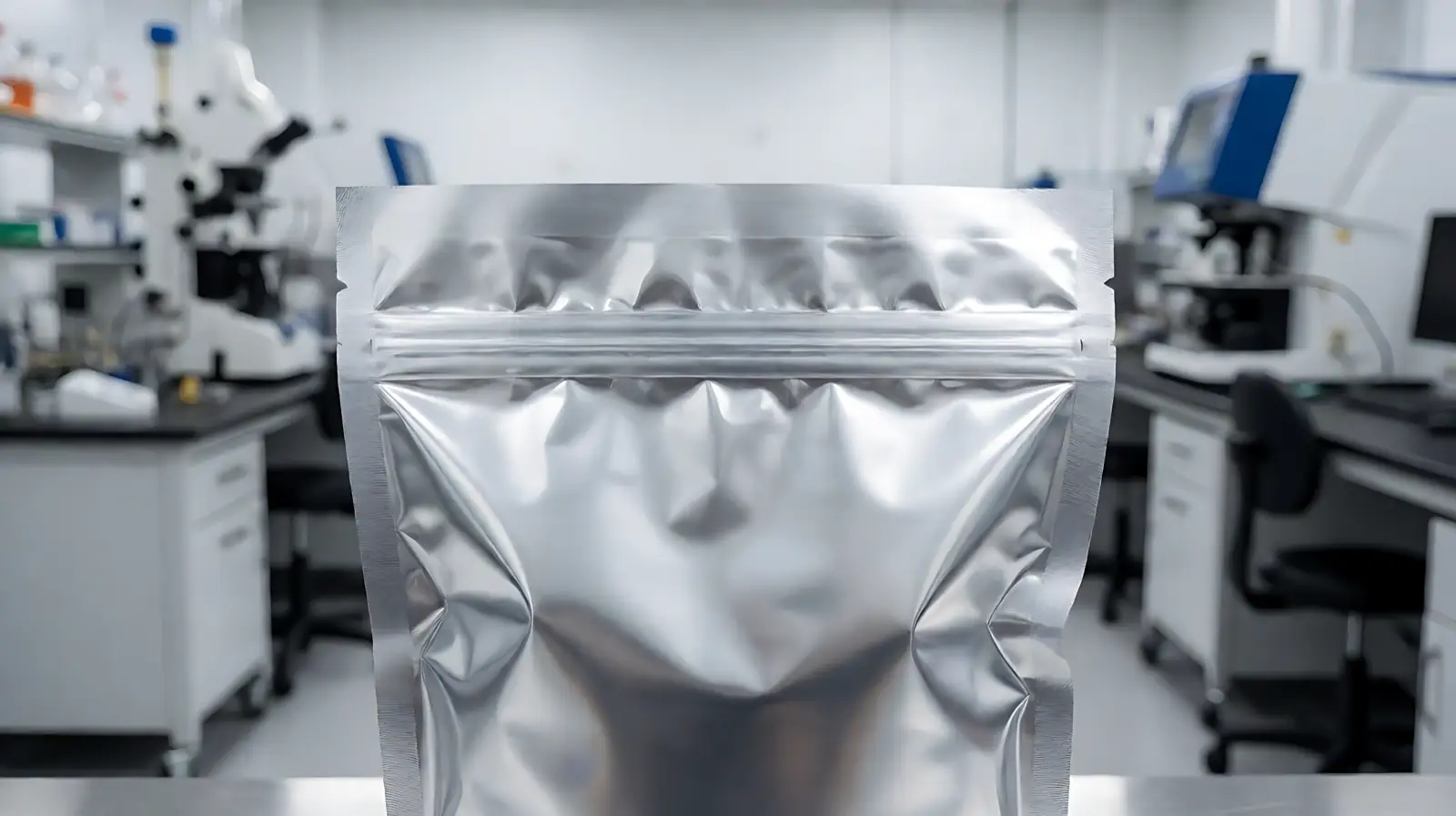
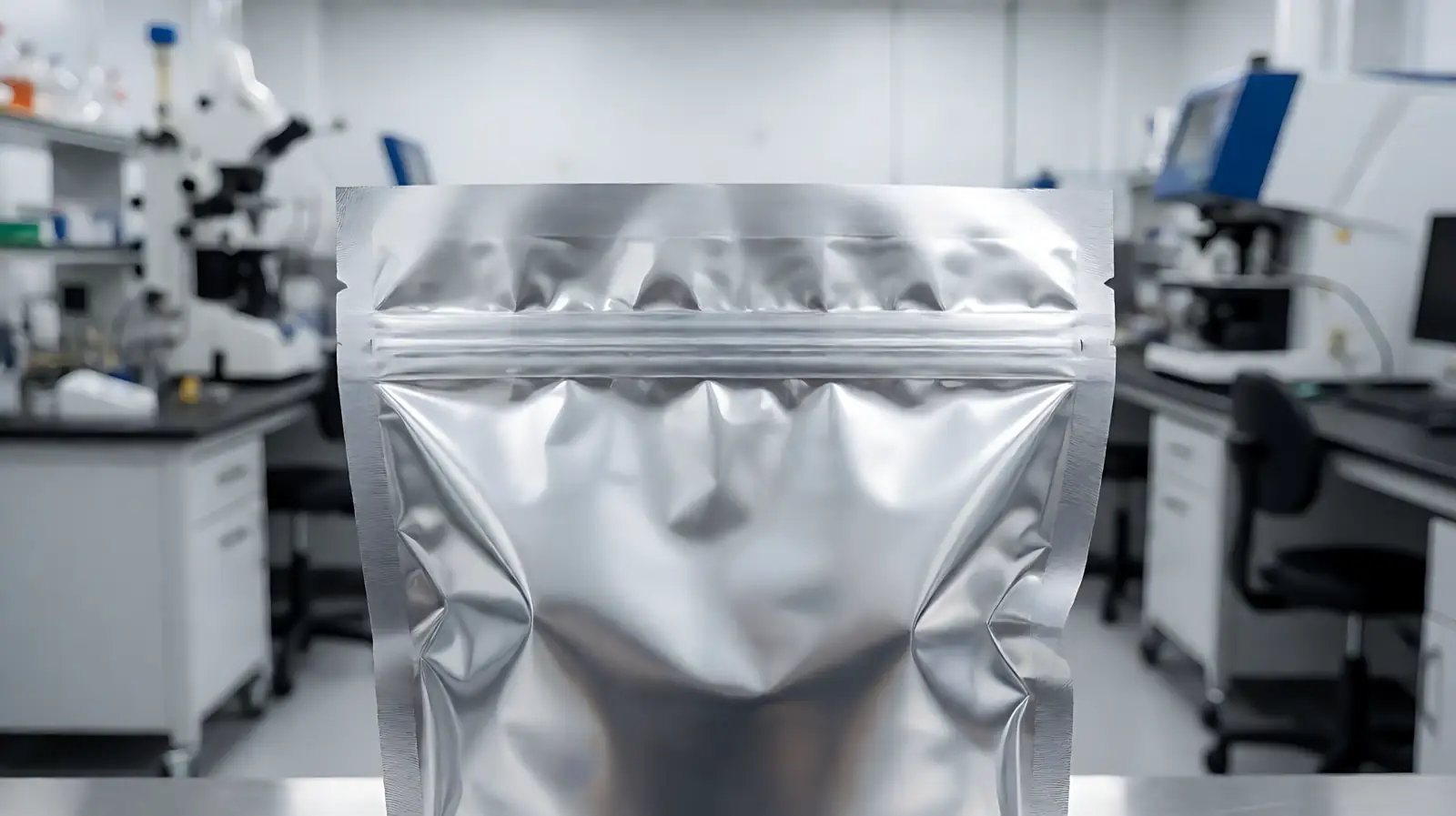
In consumer packaged goods (CPG), the opening moment—often termed “the first moment of physical truth”—directly influences consumer brand perception. While packaging engineers dedicate months to optimizing gas barriers, shelf life, and vibrant print finishes, a failure in opening functionality ruins the entire user experience.
The most notorious failure mode in flexible packaging is erratic tear propagation: a consumer pulls a traditional mechanical tear notch, only for the tear to diverge downward at an angle, ripping through the resealable zipper or puncturing below the seal line, rendering the pouch impossible to reclose.
Why does this happen? Multi-layer barrier laminates (such as BOPET/AL/PE or BOPA/PE) possess extreme tensile orientation designed specifically to resist tearing. Initiating a clean, straight tear across an oriented film requires specialized converting engineering: Mechanical Tear Notches vs. Laser Scoring.
This technical guide examines polymer tear physics (ASTM D1922 / ASTM D1938), selective layer laser ablation, barrier layer preservation, and die-line design.
1. Quick Engineering Benchmark Matrix
| Opening Feature | Mechanical V-Notch / U-Notch | Mechanical I-Cut Slit | Selective Laser Scoring |
|---|---|---|---|
| Tooling Mechanism | Hardened steel punch blade on pouch line | Razor slitting blade in seal bar | Computer-controlled high-speed CO₂ laser |
| Tear Direction Control | Poor (Diverges along polymer molecular chain) | Moderate (Straight start, erratic finish) | Flawless (Tear follows 100% of laser path) |
| Barrier Layer Degradation | Zero (Cut is located in side-seal margin) | Zero (In seal margin) | Zero (Ablates only outer print layer; core intact) |
| Micro-Fracture Risk | Moderate to High (Dull blades create micro-cracks) | High (Blade stress concentrates tear) | Zero (Non-contact thermal vaporization) |
| Zipper Protection | High failure rate (Tears through zipper teeth) | Moderate | Guaranteed (Tear line scored 5mm above zipper) |
| Tooling & Setup Cost | Low ($300 – $600 standard die tooling) | Low ($200 – $400) | Moderate (Laser station CapEx on slitter/rewinder) |
| Best-Fit Products | Entry-level snacks, single-serve sachets | Retort pouches, heavy garden bags | Specialty coffee, pet treats, jerky, powders |
Explore compatible pouch formats in our Stand-Up Pouches Category and Flat Bottom Pouches Category.
2. Polymer Tear Mechanics: Why Flexible Films Diverge
Understanding molecular orientation explains why mechanical notches frequently fail consumers:
┌────────────────────────────────────────────────────────────────────────┐
│                   POLYMER MOLECULAR ORIENTATION & TEAR PATH            │
├───────────────────────────────────┬────────────────────────────────────┤
│   UNSCORRED FILM TEAR FAILURE     │    SELECTIVE LASER-SCORED POUCH    │
├───────────────────────────────────┼────────────────────────────────────┤
│                                   │                                    │
│   [V-NOTCH]                       │   [V-NOTCH]                        │
│      \                            │      \                             │
│       \                           │       ═════════════════════════════│
│        \  UNCONTROLLED 45°        │       LASER VAPORIZATION GROOVE    │
│         \ TEAR DIVERGENCE         │       (Directs tear horizontally)  │
│          ▼                        │                                    │
│   ═══════════════════════════     │   ═════════════════════════════    │
│   [ZIPPER TRACK DAMAGED]          │   [ZIPPER TRACK 100% PROTECTED]    │
│   POUCH CANNOT BE RESEALED        │   POUCH RESEALS FLAWLESSLY         │
│                                   │                                    │
│   • Tear follows path of least    │   • Laser ablates outer 12µm PET   │
│     molecular resistance          │   • Creates a stress concentrator  │
│   • Anisotropic film orientation  │   • Tensile force stays locked     │
│     deflects manual tear downward │     inside the laser groove        │
│                                   │                                    │
└───────────────────────────────────┴────────────────────────────────────┘
Anisotropic Orientation in Flexible Films
Most barrier pouches utilize Biaxially Oriented Polyester (BOPET) or Biaxially Oriented Polyamide (BOPA / Nylon) as the exterior carrier. During manufacturing, these films are stretched mechanically in both the Machine Direction (MD) and Transverse Direction (TD). This biaxial orientation aligns polymer chains tightly, increasing tensile modulus and puncture resistance—making it physically difficult for a manual tear to proceed perpendicular to the film web without guidance.
When a consumer pulls an unscored notch, the tear inevitably veers toward the weaker orientation axis, tearing downwards into the pouch cavity.
3. Selective Laser Scoring: The CO₂ Photothermal Ablation Process
Laser scoring solves erratic tearing by using a focused infrared laser beam (typically a sealed RF CO₂ laser at 10.6 µm wavelength) integrated onto the slitter-rewinder or pouch-converting line:
┌────────────────────────────────────────────────────────────────────────┐
│          SELECTIVE LAYER LASER ABLATION IN A BARRIER LAMINATE          │
├───────┬────────────────────────────────────────────────────────────────┤
│ LAYER │ COMPOSITION & LASER BEHAVIOR                                   │
├───────┼────────────────────────────────────────────────────────────────┤
│ 1     │ 12µm BOPET (Outer Print Film)                                  │
│       │ ──► LASER MELTS A CONTINUOUS 9µm MICRO-GROOVE (Ablation Zone)  │
├───────┼────────────────────────────────────────────────────────────────┤
│ 2     │ 2-Part Polyurethane Adhesive Layer                             │
├───────┼────────────────────────────────────────────────────────────────┤
│ 3     │ 7µm Aluminum Foil (AL) or EVOH Core Barrier                    │
│       │ ──► 100% UNTOUCHED (Reflects/Shields Laser Energy)             │
├───────┼────────────────────────────────────────────────────────────────┤
│ 4     │ 100µm Linear Low-Density Polyethylene (LLDPE Sealant)          │
│       │ ──► 100% HERMETIC (Preserves Oxygen & Moisture Barrier)        │
└───────┴────────────────────────────────────────────────────────────────┘
1. Wavelength Selectivity
Polymers absorb infrared light at distinct wavelengths. Polyester (PET) exhibits high absorption at 10.6 µm, absorbing photon energy and vaporizing cleanly. In contrast, metallic aluminum foil has near 100% optical reflectivity at this wavelength. The foil core acts as an impenetrable energy shield, ensuring that the laser cannot burn through to the inner food-contact polyethylene layer.
2. Preserving ASTM Barrier Integrity
Because the aluminum foil or EVOH core remains completely intact, laser scoring does not compromise package shelf life:
- Oxygen Transmission Rate (ASTM F1927): Unchanged (< 0.05 cc/m²/day).
- Water Vapor Transmission Rate (ASTM F1249): Unchanged (< 0.05 g/m²/day).
- When the consumer grasps the notch, the micro-groove in the outer PET layer concentrates tensile stress into a narrow channel, guiding the foil and PE layers to shear cleanly in a razor-straight horizontal line.
4. Mechanical Notches: Dieline Geometry & Tooling Maintenance
When laser scoring is not specified, mechanical notch geometry and tooling maintenance determine whether the package opens successfully:
MECHANICAL NOTCH GEOMETRY COMPARISON
┌─────────────────┐   ┌─────────────────┐   ┌─────────────────┐
│     V-NOTCH     │   │     U-NOTCH     │   │   I-CUT SLIT    │
│                 │   │                 │   │                 │
│      \   /      │   │      │   │      │   │        │        │
│       \ /       │   │      └───┘      │   │        │        │
│      Sharp      │   │     Radiused    │   │    Zero-Width   │
│   Corner Stress │   │   Curved Base   │   │    Clean Cut    │
└─────────────────┘ └─────────────────┘ └─────────────────┘- V-Notch (90° or 60° Angle): The most prevalent geometry. Provides high stress concentration at the vertex for an easy tear start. However, if punch blades become dull, they crush paper fibers or stretch polymer films, creating a jagged burr that halts tear initiation.
- U-Notch (Radiused Bottom): Spreads stress across a 1.0mm radius. Requires slightly higher initial opening force, but reduces accidental notch tearing during master carton packing and transit vibration.
- I-Cut Slit: A micro-slit (0.5mm to 1.5mm) made directly into the side seal. Provides a low-force start without removing material, but requires precise registration so the slit does not penetrate into the internal pouch cavity.
5. Dieline Design: Positioning Above the Zipper
The physical distance between the tear feature and the internal zipper closure is critical:
OPTIMAL VERTICAL TEAR REGISTRATION
┌──────────────────────────────────────────────────────────────┐
│  Top Heat Seal Header (Permanent Hermetic Seal)              │
│  ══════════════════════════════════════════════════════════  │
│  ▲                                                           │
│  │ 12mm – 15mm Header Tear Zone                              │
│  ▼                                                           │
│  [NOTCH] ─── - - - - LASER SCORING LINE - - - - ─── [NOTCH]  │
│  ▲                                                           │
│  │ 5mm – 8mm Clearance Zone                                  │
│  ▼                                                           │
│  ┌────────────────────────────────────────────────────────┐  │
│  │ RECLOSABLE ZIPPER TRACK (Male & Female Profile)        │  │
│  └────────────────────────────────────────────────────────┘  │
│                                                              │
│  Internal Pouch Cavity (Food Storage Volume)                 │
└──────────────────────────────────────────────────────────────┘- The 5mm Clearance Rule: The tear notch and laser score line must be positioned 5mm to 8mm above the reclosable zipper flange. If positioned too close (< 3mm), manual tearing can nick the zipper profile, causing leaks. If positioned too far (> 15mm), excess film remains above the zipper, obstructing consumer fingers from gripping the opening flaps.
- Laser Micro-Perforations on Header Flaps: Incorporating vertical laser micro-perforations between the top rim and the tear line provides tactile finger grip, preventing wet or greasy fingers from slipping during opening.
Compare zipper profile mechanisms in our Pouch Zipper Profiles & Moisture Lock Guide.
6. Procurement & Converting Specification Checklist
When engineering easy-open features on flexible pouches:
- Specify Selective Laser Scoring on Premium SKUs: Essential for high-barrier foil laminates, whole bean coffee, and jerky pouches where resealable zippers must be protected.
- Mandate Elmendorf Tear Testing (ASTM D1922): Ensure tear propagation force along the scored line is between 150 mN and 350 mN for effortless consumer opening.
- Audit Punch Blade Sharpening Cycles: For mechanical notches, verify that converting lines replace carbide punch blades every 500,000 cycles to prevent micro-cracking defects.
- Verify Hermeticity via Bubble Leak (ASTM D3078): Ensure laser scoring did not penetrate the inner sealant layer by conducting vacuum bubble leak testing on pre-production batches.
Deliver Flawless Consumer Opening with CraftPack Global
CraftPack Global engineers flexible packaging featuring inline digital laser scoring, precision-registered mechanical tear notches, and certified hermetic barrier integrity.
Contact Our Flexible Packaging Engineers to request dieline templates, laser-scored pouch samples, and custom volume pricing.