
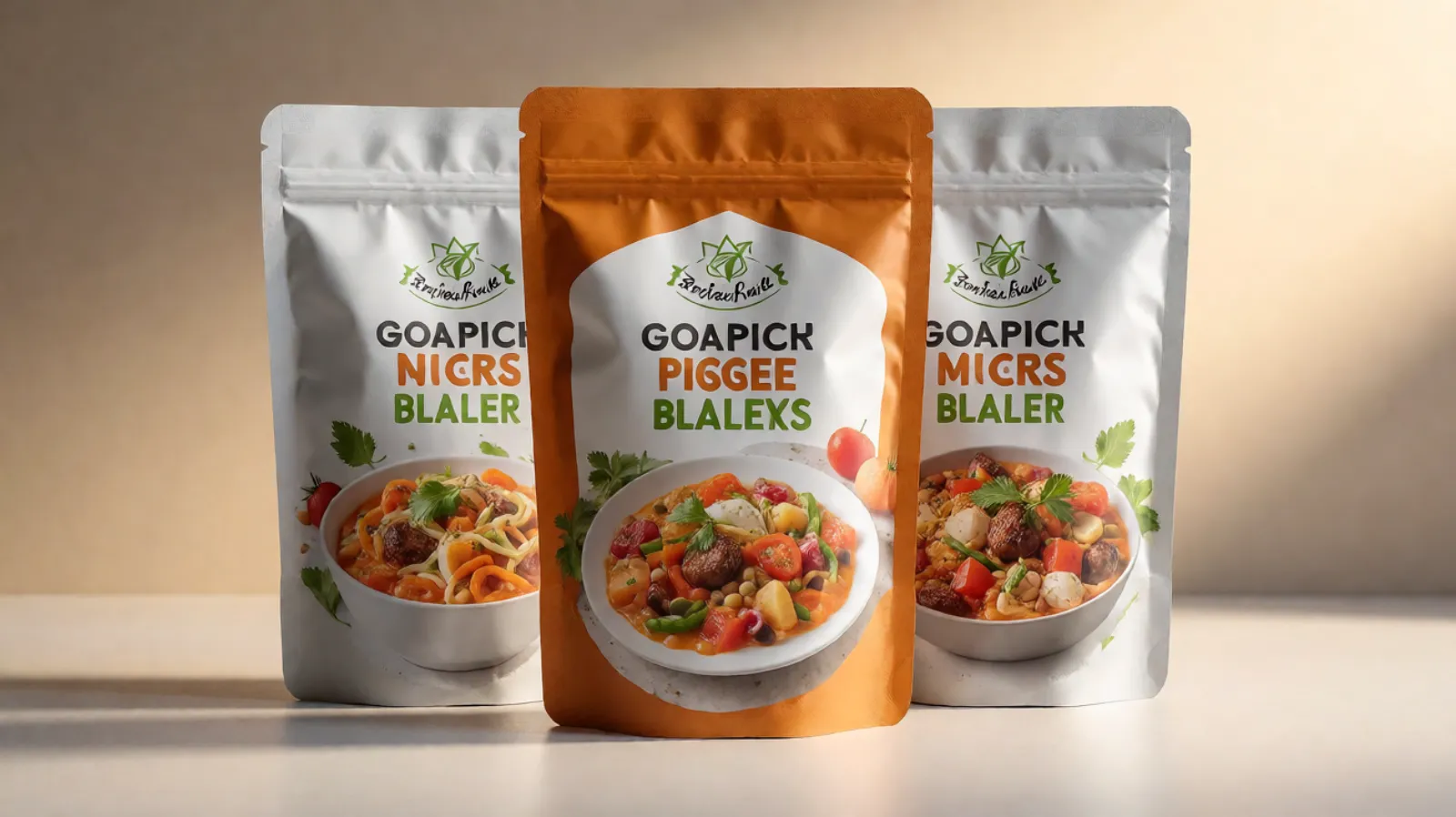
Retort Pouches vs Cans: Thermal Processing & Shelf Life Guide
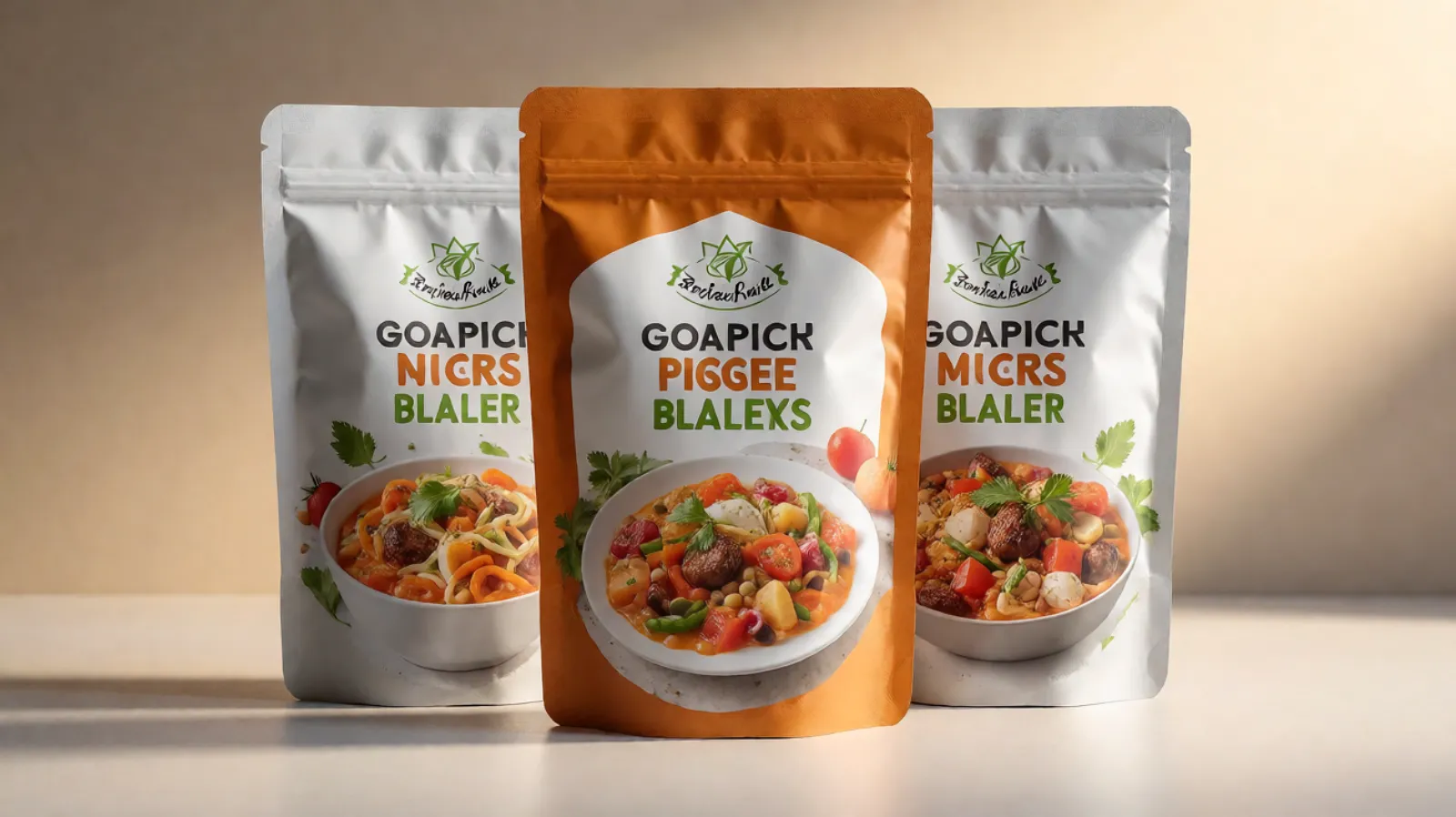
For decades, metal tinplate cans and glass jars were the unchallenged standard for shelf-stable food preservation. Through high-temperature commercial autoclaving, canned foods achieve years of shelf stability without refrigeration or added chemical preservatives.
However, the modern consumer packaged goods (CPG) market faces rising freight rates, demanding sustainability targets, and consumer demand for fresher taste and texture. In response, brand owners across soups, pet food, prepared meals, and sauces are transitioning from rigid metal cans to retort flexible pouches.
This technical guide outlines the thermodynamics, multi-layer material engineering, and supply chain trade-offs between retort pouches and conventional cans.
What Is Retort Processing?
Retort processing is a thermal sterilization method where sealed food packages undergo pressurized steam or hot water heating in an autoclave chamber (retort vessel) at temperatures typically ranging from 121°C to 135°C (250°F to 275°F).
The process achieves commercial sterility by destroying pathogenic microorganisms, including Clostridium botulinum spores, while maintaining packaging hermetic seal integrity.
The Heat Penetration Advantage of Thin Geometry
The fundamental physical advantage of a retort pouch lies in its cross-sectional geometry:
- Cylindrical Metal Cans: Have a thick profile (typically 60–100 mm diameter). Conduction heat transfer takes considerable time to reach the “cold spot” at the geometric center of the can.
- Flat or Stand-Up Flexible Pouches: Feature a slim profile (often 15–30 mm thickness). Heat penetrates to the core significantly faster.
Because the thermal cycle duration can be shortened by 30% to 50%, food inside retort pouches experiences less thermal degradation. This results in superior texture retention, brighter natural color, and higher nutritional value compared to heavily overcooked canned equivalents.
Multi-Layer Film Construction for Retort Pouches
Retort packaging must withstand extreme thermal expansion, hydraulic pressure swings during cooling, and long-term oxygen diffusion. Standard packaging films cannot survive these conditions without delamination or burst failure.
A standard commercial high-barrier retort laminate utilizes a triplex or four-layer co-extrusion:
- Outer Facing Layer: Biaxially Oriented Polyamide (BOPA/Nylon) or Polyethylene Terephthalate (PET)
- Thickness: 12–15 µm.
- Purpose: High dimensional stability at 135°C, puncture resistance, burst resistance, and rotogravure print surface.
- Intermediate Barrier Layer: Aluminum Foil (AL) or High-Barrier EVOH/SiOx
- Thickness: 7–9 µm (Foil) or coated substrate.
- Purpose: Zero oxygen transmission rate (OTR) and water vapor transmission rate (WVTR), shielding delicate nutrients from oxidative breakdown.
- Tie Layers: Specialized Retort Polyurethane Adhesives
- Purpose: Specially formulated aliphatic or aromatic polyurethane adhesives rated for autoclave conditions, preventing chemical separation when exposed to steam and grease.
- Inner Sealant Layer: Cast Polypropylene (R-CPP)
- Thickness: 60–80 µm.
- Purpose: High melting point (around 160°C), excellent seal through food contamination (oils and seasonings), and high impact strength under pressurized cooling.
For brands exploring modern formats, explore our stand-up pouches and flat bottom bags engineered for advanced thermal packaging requirements.
Comparison: Retort Pouches vs. Traditional Metal Cans
| Evaluation Metric | Rigid Metal Cans | Retort Flexible Pouches |
|---|---|---|
| Empty Packaging Weight | Heavy (~45–65g per 400ml can) | Ultra-light (~8–14g per pouch) |
| Inbound Shipping Efficiency | Bulky, 1 truck carries mostly empty air | Ships flat, 1 truck carries 7–10x more units |
| Thermal Processing Time | Baseline (40–60 min) | Accelerated (20–35 min) |
| Food Quality & Texture | Often soft/overcooked edges | Fresh flavor profile, firmer texture |
| Storage Footprint (Pre-filling) | Requires extensive warehouse space | Up to 85% warehouse space reduction |
| Consumer Convenience | Requires can opener, sharp metal rims | Tear notches, ergonomic pouring spouts |
| Puncture & Drop Resistance | Dent-prone, high structural rigidity | High flex-crack resistance, shatterproof |
Key Manufacturing & Quality Control Factors
When sourcing custom retort pouches, specific quality protocols must be verified:
- Seal Strength Testing (ASTM F88): Retort pouches should demonstrate tensile seal strengths exceeding 35 N/15mm before and after autoclaving.
- Burst Pressure Testing (ASTM F1140): Pouches must withstand internal pressurization (overpressurization balance is critical in retorts to prevent hydraulic seam blowouts).
- Residual Air Control: Excessive head-space air expands rapidly under autoclave heat; proper vacuum deaeration or steam-flushing prior to sealing is mandatory.
- Dye Penetration & Leak Inspection (ASTM F1929): Microscopic leak testing ensures no capillary pathways exist across side and bottom seals.
Selecting the Right Format for Your Production Line
Whether producing wet pet foods, ready-to-heat curries, broth concentrates, or ready meals, transitioning to retort flexible packaging lowers carbon footprint, reduces shipping tariffs, and enhances consumer appeal.
To evaluate material specifications, custom barrier structures, or sample pouch trials for your thermal processing line, contact the packaging engineers at the CraftPack Global Contact Team.