
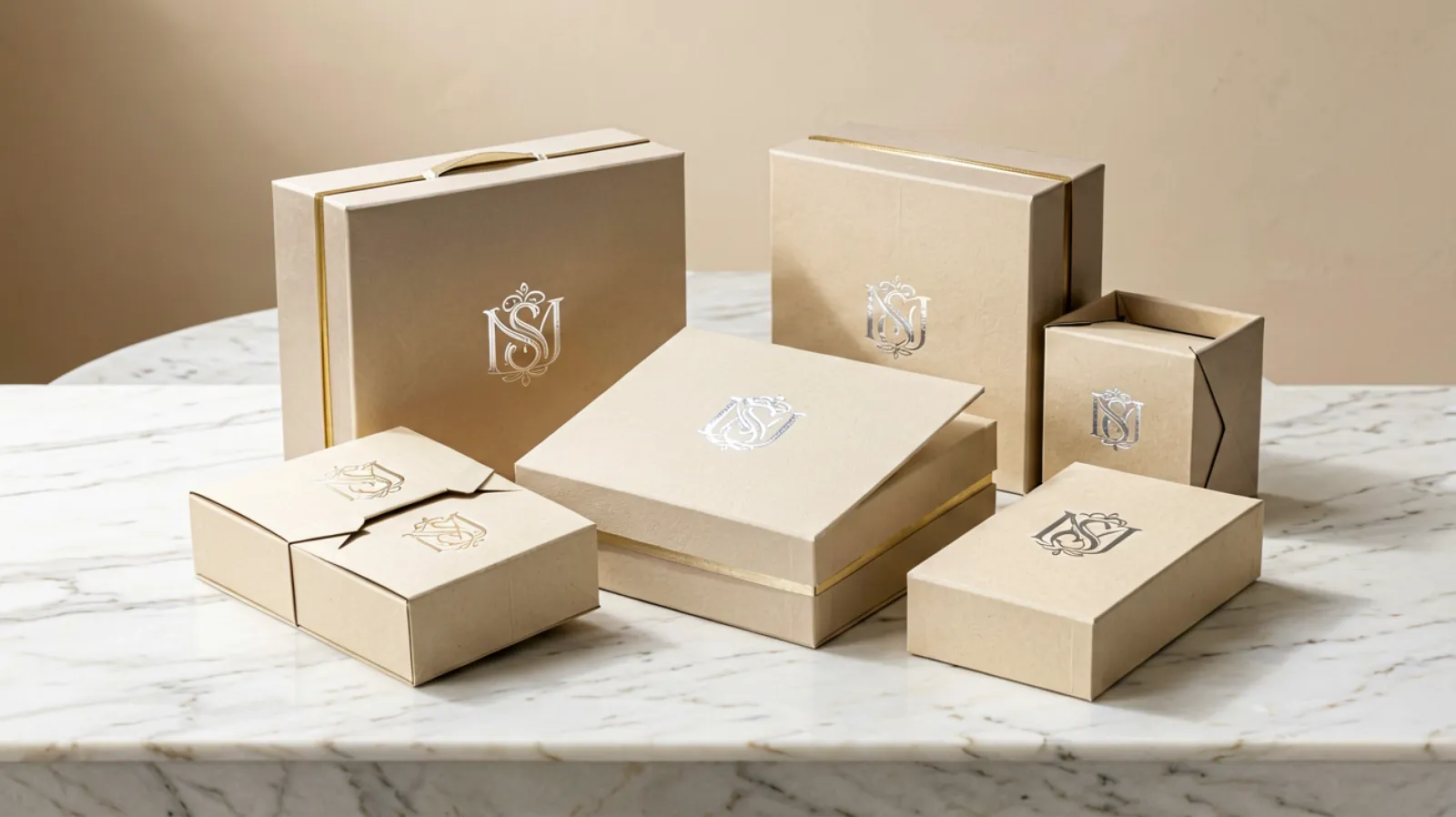
Luxury Rigid Boxes vs Folding Cartons: Brand Packaging Guide
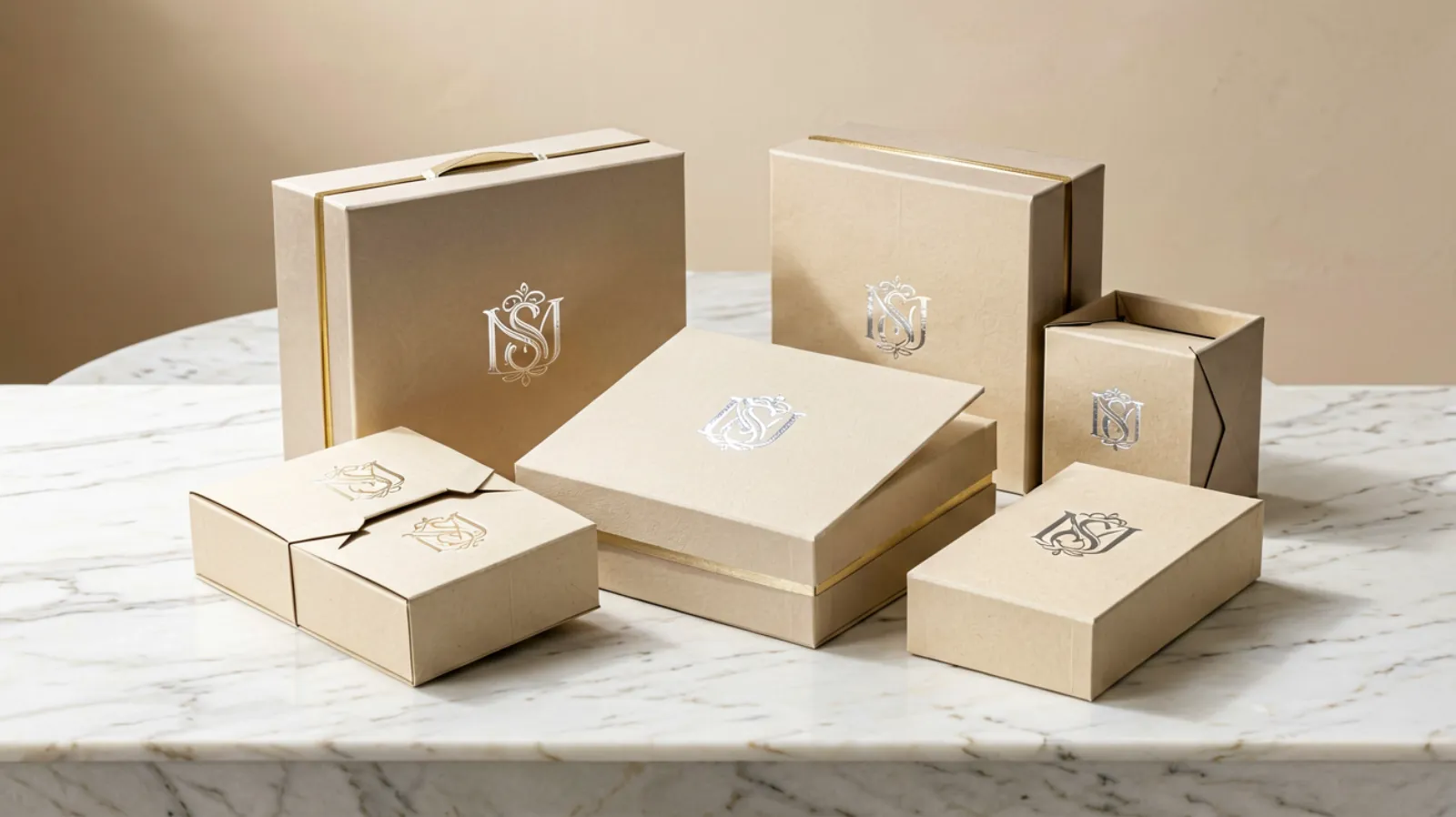
In premium retail and high-end consumer goods—from luxury cosmetics, jewelry, and perfumery to watches and artisanal confectionery—packaging functions as an emotional extension of the product. The visual weight, tactile texture, sound of closure, and opening friction all communicate intrinsic value to the buyer.
However, brand managers frequently wrestle with an essential structural decision: should the brand invest in heavyweight rigid setup gift boxes or specify custom folding paperboard cartons?
While rigid boxes deliver unmatched prestige and permanence, folding cartons offer superior shipping efficiency and lower unit costs.
This guide provides a strategic comparison between luxury rigid boxes and folding cartons, examining structural engineering, shipping economics, and customer unboxing psychology.
Engineering Differences: Greyboard vs Paperboard
The fundamental distinction between rigid boxes and folding cartons lies in the underlying substrate:
1. Luxury Rigid Boxes (Setup Boxes)
- Core Substrate: Constructed from dense, unbendable chipboard or greyboard (typically 1.5 mm to 3.0 mm thick, corresponding to 1000–2000 gsm).
- Construction: The structural greyboard is precision V-grooved or die-cut, folded into a 90-degree frame, and permanently laminated (wrapped) with fine art paper, specialty textured paper, soft-touch film, or bookbinding linen.
- Delivery State: Shipped fully formed and assembled in three dimensions (or flat-pack with hidden corner magnets).
2. Custom Folding Cartons
- Core Substrate: Manufactured from high-grade solid bleached sulfate (SBS) or coated unbleached kraft (CUK) paperboard (typically 0.3 mm to 0.8 mm thick, 250–450 gsm).
- Construction: The paperboard is printed, die-cut, and scored with crease lines in a single integrated manufacturing pass.
- Delivery State: Shipped 100% flat to the brand or contract packer, where they are popped open and assembled immediately prior to filling.
Side-by-Side Comparison: Rigid Boxes vs Folding Cartons
| Evaluation Parameter | Luxury Rigid Boxes | Folding Paperboard Cartons |
|---|---|---|
| Tactile Perceived Value | Ultra-luxury; substantial weight, crisp 90° edges | Premium commercial; lighter feel |
| Structural Protection | Extreme compression resistance; crush-proof | Moderate; protects against scuffs, lower crush load |
| Inbound Freight & Warehousing | High volume (ships fully formed unless foldable) | Extremely low volume (ships completely flat) |
| Assembly Time at Packaging Line | Zero assembly (ready to pack) | Requires erecting, tucking, or tape sealing |
| Typical Product Price Tier | High-end luxury ($50–$500+ retail value) | Mid-market to premium ($10–$80 retail value) |
| Reusability & Keepsake Value | High (consumers keep box for storage or vanity) | Low (discarded or recycled immediately after opening) |
| Minimum Production Quantities | Moderate (1,000–3,000 units) | High (typically 3,000–10,000+ units for best pricing) |
The Psychology of the Luxury Unboxing Ritual
In the era of social media unboxing videos and direct-to-consumer delivery, packaging is a brand’s most tangible touchpoint:
- Slow-Release Reveal: A classic lid-and-base rigid box with precision vacuum tolerance creates a 3-to-4 second slow-slide descent when lifted by the lid. This engineered pause builds anticipation before the product is revealed.
- The Audible “Click” of Magnetic Closures: Book-style rigid boxes equipped with concealed neodymium magnets produce a crisp, satisfying snap upon closure, signaling precision craftsmanship.
- Internal Architecture & Custom Inserts: Rigid boxes are frequently engineered with bespoke interior fitments—such as EVA foam lined with velvet, custom molded sugarcane pulp trays, or satin ribbon pulls—that hold items rigidly in place.
For complete retail presentation kits, brands frequently pair rigid boxes with matching custom printed gift bags and custom eurotote paper bags.
When to Choose Folding Cartons Over Rigid Boxes
Despite the allure of rigid boxes, folding paperboard cartons are often the superior commercial choice:
- E-Commerce Direct Mailings: When shipping thousands of orders daily, the tare weight and volumetric profile of rigid boxes inflate fulfillment shipping costs. Folding cartons keep package profiles slim and lightweight.
- High-Velocity Retail Consumer Goods: For skincare tubes, bottled serums, or boxed teas where packaging is opened once and promptly recycled, curbside-recyclable folding paperboard is more practical and environmentally aligned.
- Fast-Turnaround Seasonal Campaigns: Folding cartons can be printed, stamped, and die-cut in faster turnarounds with significantly lower upfront tooling and dieline setup costs.
Explore retail presentation solutions across our gift bags category and paper shopping bags category.
Finishing Techniques That Elevate Both Formats
Whether selecting rigid setup boxes or folding cartons, decorative embellishments define the finished look:
- Hot Foil Stamping: Metallic gold, rose gold, silver, or matte copper foil adds reflective luxury to brand logos.
- Multi-Level Embossing / Debossing: Imparts physical dimensional relief that encourages tactile touch.
- Soft-Touch Matte Lamination: Delivers a velvety peach-skin tactile feel that resists fingerprint smudges.
- Spot UV & High-Build Varnish: Creates striking gloss contrast against matte backgrounds.
Create Custom Luxury Packaging with CraftPack Global
Selecting the ideal packaging structure requires harmonizing brand positioning with logistical realities. The CraftPack Global Team engineers both luxury rigid setup boxes and high-precision folding cartons, managing dieline design, precision sampling, luxury finishes, and worldwide delivery.