
How to Choose the Right Custom Packaging Material for Your Product
Choosing custom packaging is not simply a matter of picking the material that looks best in a product photo. The right structure must protect the product, suit the filling and sealing process, survive transport, support the brand presentation, and remain practical at the expected order quantity.
For a first packaging project, the number of options can feel overwhelming: paper, woven polypropylene, laminated film, recyclable mono-material, foil, kraft, stand-up pouches, flat-bottom bags, mailers, and more. The best starting point is not the package itself. It is the product and the way that product will move through the supply chain.
This guide explains the main decisions buyers should make before requesting a quotation from a custom packaging supplier.
Start with the product, not the packaging photo
Before comparing materials, prepare a short product brief. A packaging manufacturer will usually need to understand:
- What the product is and whether it is food, cosmetic, pet, household, or retail merchandise.
- The product weight, volume, shape, and approximate dimensions.
- Whether the product contains oil, powder, liquid, aroma, or sharp edges.
- The expected shelf life and storage conditions.
- How the package will be filled, sealed, displayed, shipped, and opened.
- The destination market and any applicable packaging or labeling requirements.
Two products with a similar appearance may need completely different structures. Coffee beans need protection from oxygen, moisture, and aroma loss. A T-shirt mailer needs puncture resistance and a secure closure. A paper shopping bag needs a suitable handle construction and enough strength for repeated carrying.
The more complete the initial brief, the fewer expensive revisions are likely during sampling and production.
Match the packaging format to the application
The format determines how the package stands, fills, seals, displays, and ships. These are common options for growing brands.
Stand-up pouches
Stand-up pouches are suitable for snacks, pet treats, coffee, dry goods, supplements, and many other products. A bottom gusset allows the pouch to stand on a shelf, while options such as zippers, tear notches, windows, and spouts can improve usability.
They are a practical choice when a brand needs strong shelf visibility, efficient shipping volume, and a flexible range of sizes. The correct film structure still depends on the product and required barrier performance.
Flat-bottom bags
Flat-bottom bags offer a stable base, broad front and side panels, and a premium shelf presence. They are frequently considered for coffee, specialty foods, pet products, and dry goods that benefit from a more structured appearance.
The format can provide more printable surface area than a simple pouch, but its construction and filling requirements should be confirmed before finalizing artwork.
Side-gusset bags
Side-gusset bags are useful for coffee, tea, grains, pet food, and bulk dry products. The side folds expand as the bag is filled, creating a higher-capacity format that can be packed and stored efficiently.
Buyers should decide whether the bag will use a flat seal, tin tie, valve, zipper, or another closure. For coffee, a degassing valve may be relevant, but it should be selected according to the roast, filling method, and distribution plan.
Paper shopping and gift bags
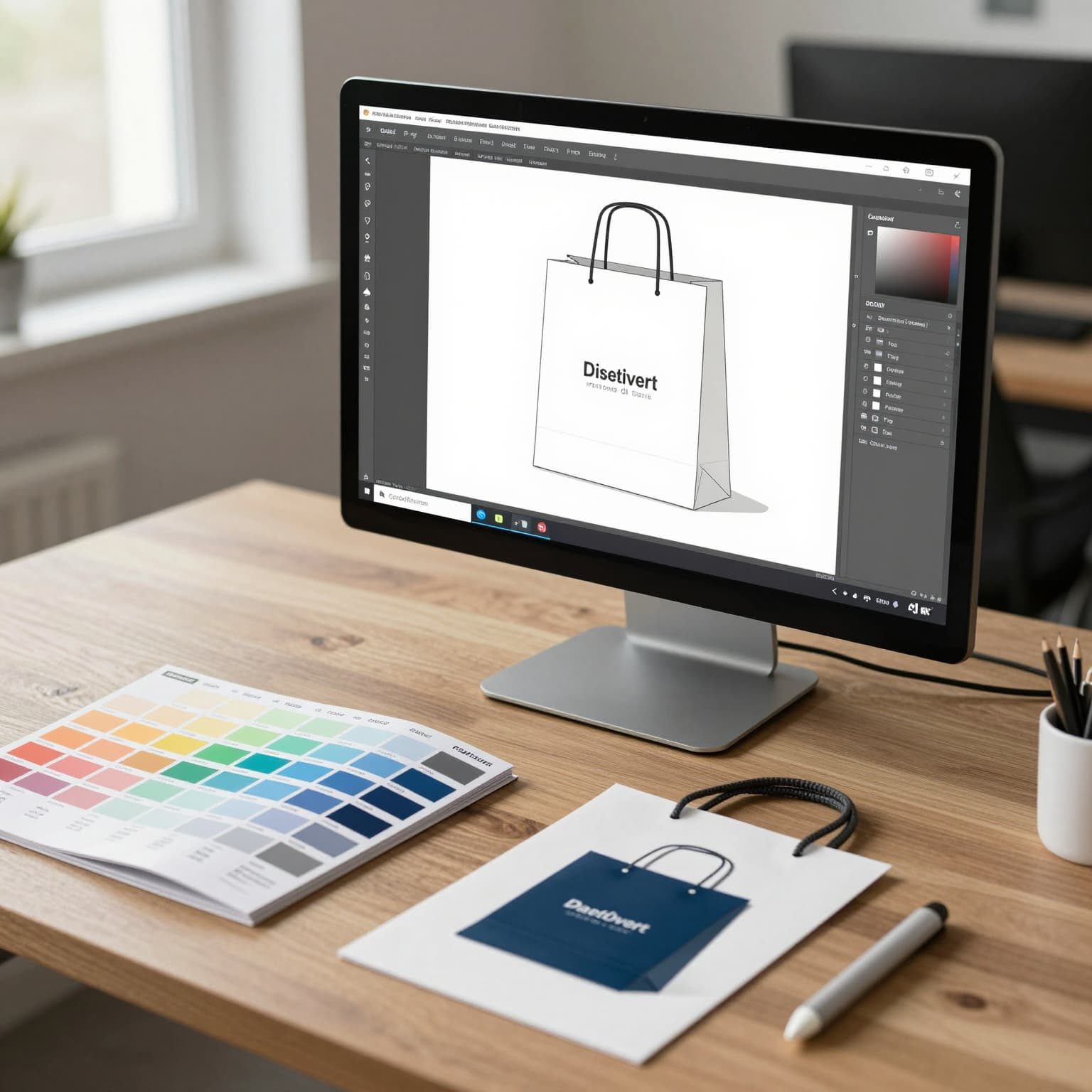
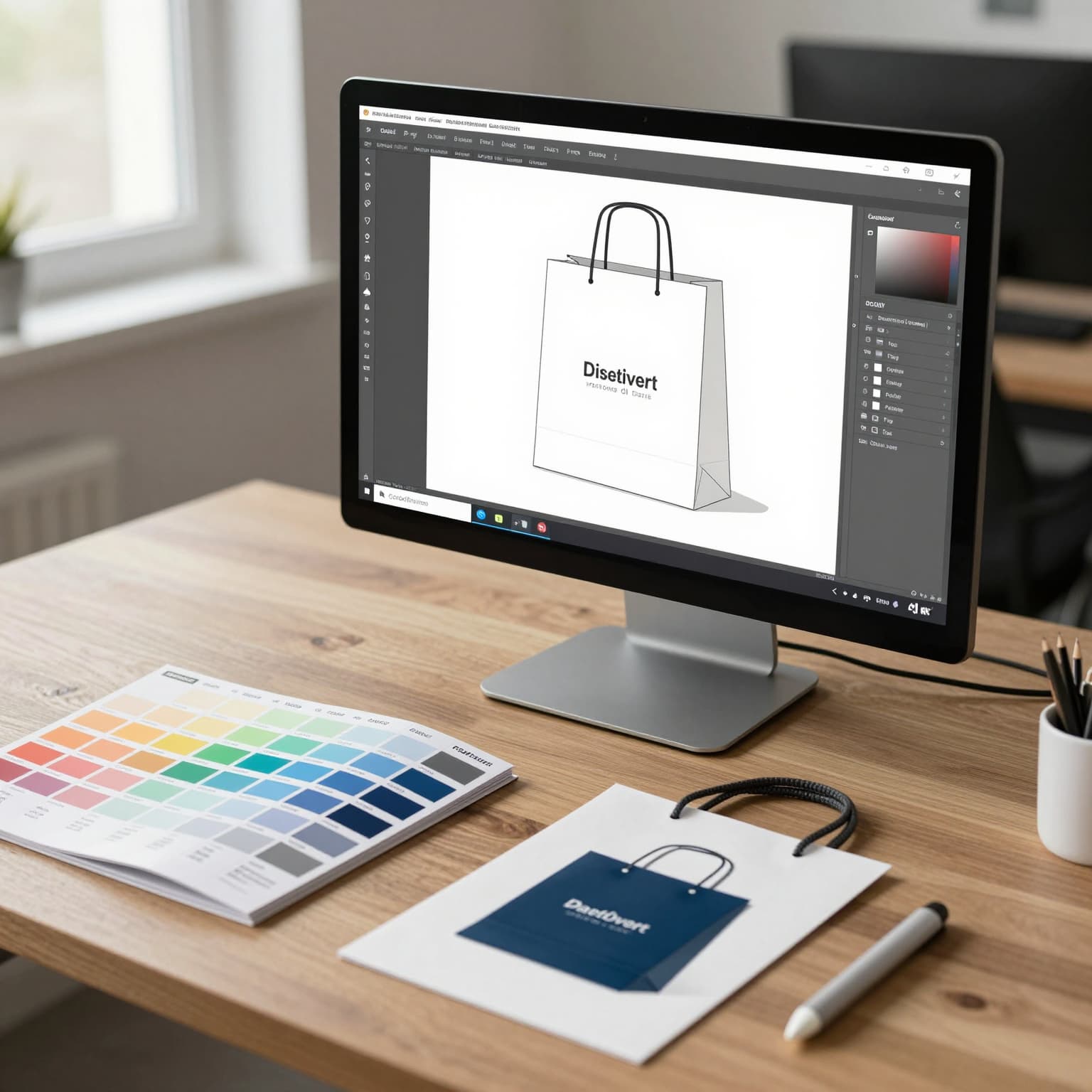
Paper shopping bags and custom gift bags are primarily presentation and carrying products. The important variables include paper weight, handle type, lamination, rope or ribbon construction, bag dimensions, and the weight of the goods being carried.
Paper is often selected for its tactile and visual qualities. It should not be specified solely by color or appearance when the bag will carry heavy or irregular products.
E-commerce mailers
E-commerce mailers are designed for parcel delivery. They need an appropriate balance of tear resistance, opacity, closure security, print quality, and shipping volume.
The right mailer depends on whether the contents need cushioning, whether the parcel may be exposed to moisture, and whether the package will be opened and returned. For fragile products, a mailer alone may not replace an inner box or protective insert.
Understand the main material decisions
Once the format is selected, compare materials against the job they need to perform.
Paper and kraft paper
Paper and kraft paper can create a natural, premium, or retail-focused appearance. They work well for shopping bags, gift bags, sleeves, and selected dry-product applications.
Ask the supplier about paper weight, tear strength, handle reinforcement, coating or lamination, and whether the intended finish is compatible with the destination market. If sustainability claims matter, request the relevant documentation rather than relying on the word “kraft” alone.
Plastic films
Flexible plastic films can provide strong sealing performance, clarity, printability, and protection against moisture or grease. Common structures may combine layers because different layers perform different jobs: print surface, strength, sealing, or barrier.
The correct film is product-specific. A visually attractive pouch may still be unsuitable if the seal strength, oxygen barrier, or moisture resistance is insufficient for the product’s distribution period.
Aluminum foil and high-barrier structures
Foil or other high-barrier layers may be considered for products that are sensitive to oxygen, light, moisture, or aroma transfer. They can be useful for coffee, powdered products, supplements, and certain food applications.
High barrier does not automatically mean “better” for every product. It can affect cost, recyclability, appearance, and production choices. Specify the actual protection requirement first.
Mono-material and recyclable options
Mono-material structures are increasingly considered by brands that want to simplify recycling claims or align packaging with a market-specific sustainability strategy. Their performance depends on the product, film selection, sealing conditions, and local recycling infrastructure.
Compostable, recyclable, recycled-content, and reusable are different claims. Buyers should define which outcome they need and ask what evidence supports the claim in the target market.
Choose printing and finish after the structure is clear
Packaging artwork is important, but the print method should follow the construction and quantity rather than lead the specification.
Depending on the format and order size, a supplier may recommend rotogravure, flexographic, digital, or another printing method. The practical trade-offs can include:
- Setup or cylinder costs.
- Minimum order quantity.
- Number of colors and print coverage.
- Color consistency across production runs.
- Small-batch flexibility.
- Matte, gloss, soft-touch, or other surface finishes.
Prepare vector artwork where possible, confirm the dieline before placing text or barcodes, and request a digital proof. For color-sensitive projects, discuss whether a physical sample or color reference is needed before mass production.
Balance MOQ, unit price, and inventory risk
The lowest unit price is not always the lowest total cost. A large order may reduce the unit price while tying up cash in packaging that could become outdated, damaged, or incompatible with a future product change.
When comparing quotations, look at the full cost:
- Unit price at the first order quantity and at realistic reorder quantities.
- Printing plates, cylinders, tooling, sampling, and proofing fees.
- Packing volume, freight, duties, and delivery terms.
- Storage requirements and the risk of obsolete inventory.
- Lead time for the first order and repeat orders.
- Quality inspection and the remedy for non-conforming goods.
For a new product, a controlled first batch can be more valuable than the lowest possible unit price. Once the design sells and the reorder pattern is clearer, a higher volume tier may make sense.
Ask for a production-ready recommendation
A useful supplier conversation should end with a clear specification, not just a product image and a price. Ask your packaging partner to confirm:
- Recommended material structure and the reason for it.
- Finished dimensions and acceptable tolerances.
- Closure, seal, handle, valve, or zipper details.
- Printing method and artwork requirements.
- Sample process and approval point.
- Production lead time and shipping assumptions.
- Quality-control checkpoints.
- Any documentation required for the target market.
If the supplier recommends a different structure from your initial idea, that is not necessarily a problem. A good recommendation should connect the change to product protection, manufacturing reliability, cost, or compliance.
A simple checklist before requesting a quote
Send the following information to reduce back-and-forth:
- Product name and description.
- Product weight or volume.
- Target package format and approximate dimensions.
- Product photos or a sample specification.
- Barrier or shelf-life requirement, if applicable.
- Artwork status and preferred finish.
- First order quantity and expected monthly volume.
- Delivery country and target arrival date.
CraftPack Global helps brands compare packaging formats, materials, printing methods, and order plans before production. Share your product details, dimensions, quantity, and destination market with our team for a practical packaging recommendation and quotation.
Explore our flexible packaging solutions or contact CraftPack Global to start a packaging discussion.