
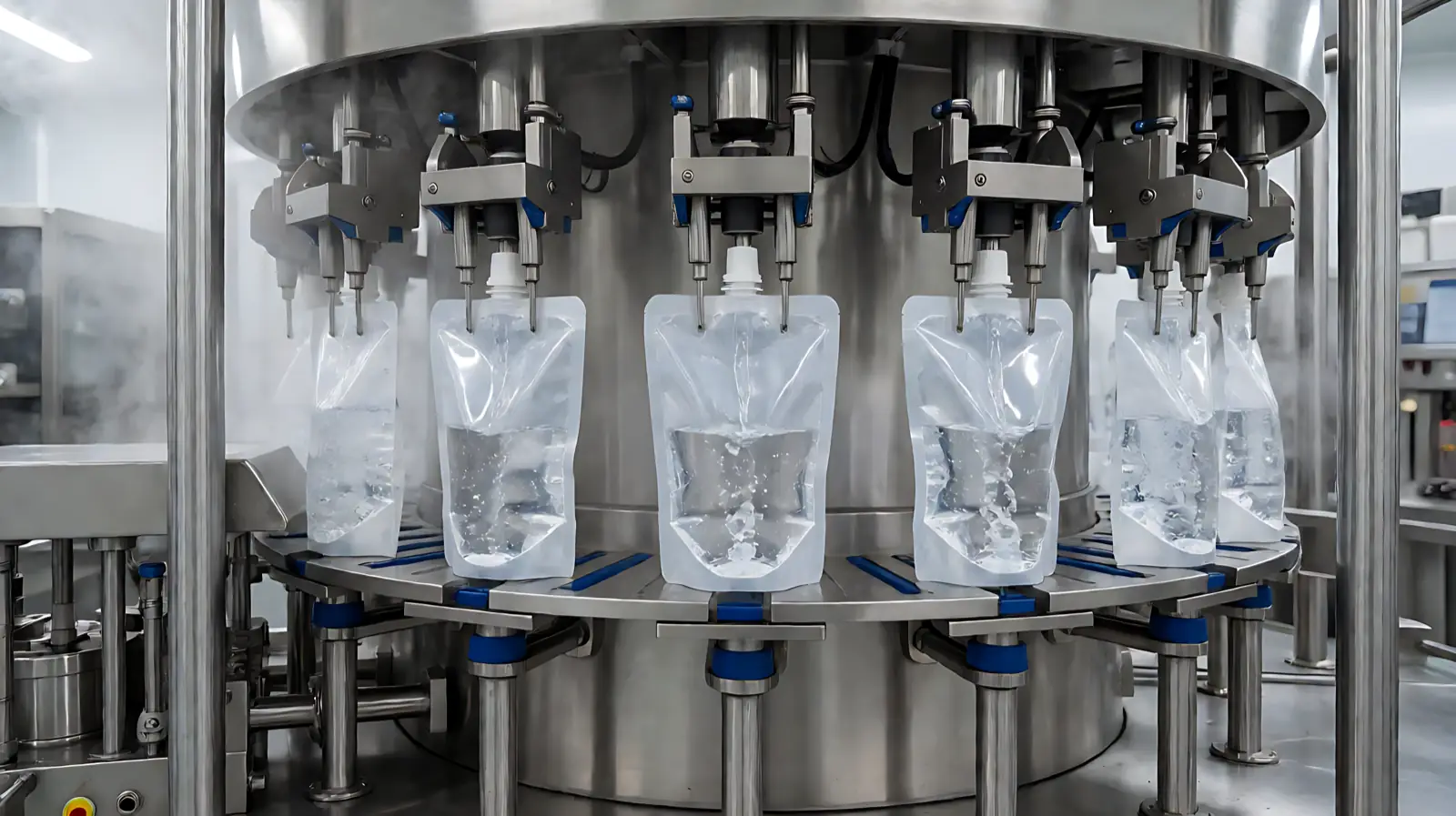
Hot-Fill vs Aseptic Processing for Spouted Flexible Pouches
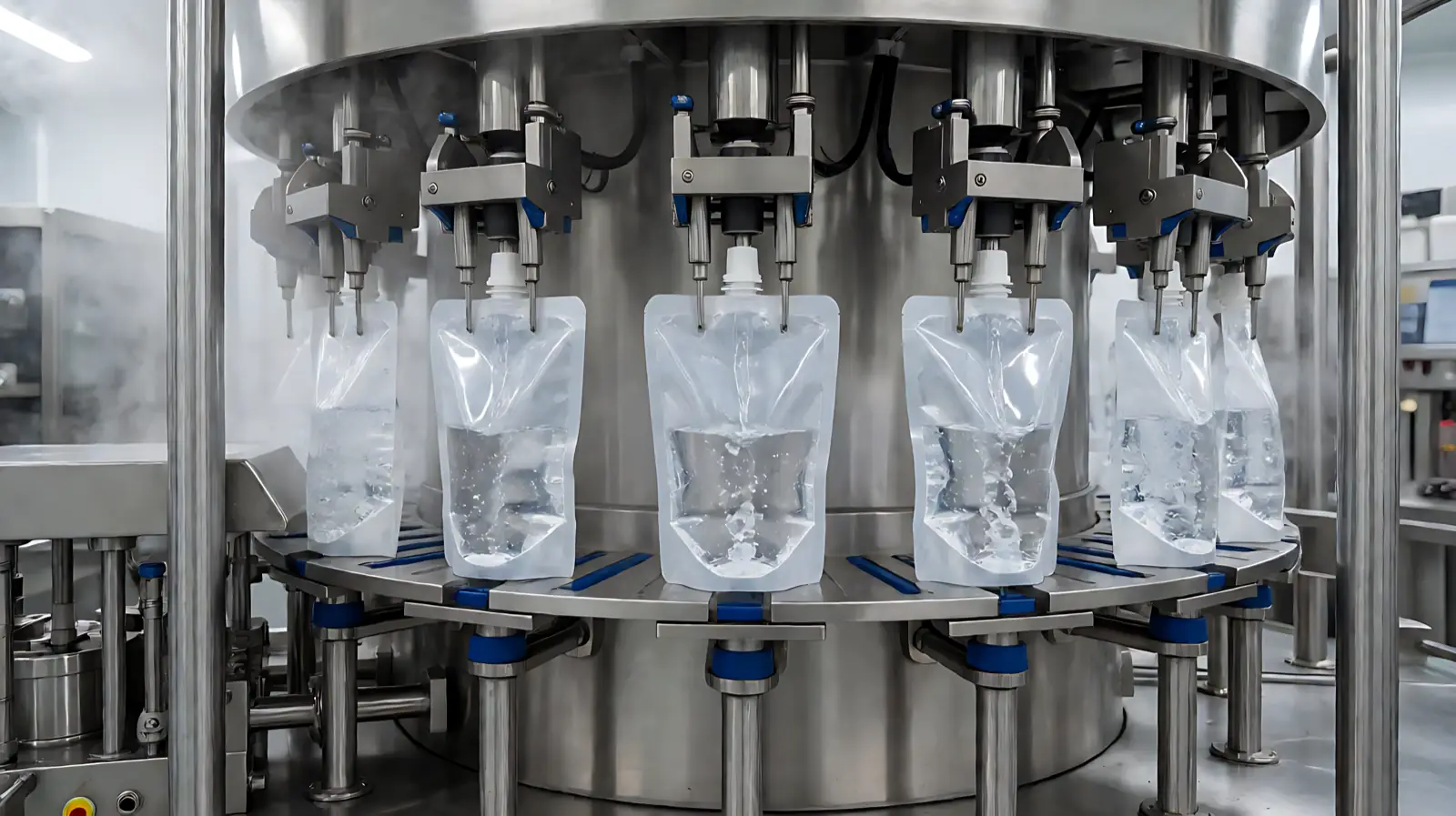
In liquid consumer packaged goods (CPG)—spanning functional beverages, organic fruit purees, bone broths, plant milks, and culinary sauces—the flexible spouted pouch has emerged as the dominant high-growth alternative to rigid glass jars and HDPE jugs. Delivering up to 75% reduction in package weight and superior on-the-go portability, spouted pouches offer undeniable consumer appeal.
However, perishable liquid foods require commercial sterilization or pasteurization to eliminate spoilage pathogens (Clostridium botulinum, molds, and yeasts) without refrigeration.
Liquid packaging engineers must decide between two primary filling architectures: Hot-Fill Processing (85°C to 95°C) and Aseptic Cold-Fill Processing.
While hot-fill requires significantly lower capital machinery expenditure, the extreme thermal load places severe mechanical stress on flexible polymer films and molded spout fitments. Aseptic processing protects delicate nutrients and allows thinner films, but demands pharmaceutical-grade cleanroom isolation.
This technical guide evaluates hot-fill and aseptic filling across polymer thermal distortion, seal rheology, flavor preservation, and machinery economics.
1. Quick Engineering Benchmark Matrix
| Processing Parameter | Hot-Fill System (85°C – 95°C) | Aseptic Cold-Fill System (UHT) | Post-Packaging Retort Autoclave (121°C) |
|---|---|---|---|
| Product Filling Temperature | 85°C to 95°C (185°F – 203°F) | 20°C to 25°C (Ambient cold-fill) | 20°C fill; autoclaved at 121°C |
| Sterilization Target | Hot liquid sterilizes pouch & spout | Pre-sterilized pouch + sterile room | 100% terminal in-package sterilization |
| Holding & Cooling Time | 30–60s hold + 15 min water bath chill | Zero post-fill hold (Immediate pack) | 30–45 min steam pressure cycle |
| Required Sealant Film | High-heat Cast Polypropylene (CPP) | Standard Metallocene LLDPE (mPE) | Retort-grade Cast Polypropylene (R-CPP) |
| Spout Fitment Resin | High-Density PE (HDPE) or PP (Vicat >125°C) | Standard Polyethylene (PE) fitment | High-temperature autoclave Polypropylene |
| Nutrient & Vitamin Retention | Moderate (Prolonged thermal exposure) | Superior (Flash UHT heating preserves taste) | Lower (Extended 121°C thermal soak) |
| Filling Line CapEx | Low to Moderate ($120k – $350k) | High ($800k – $2.5M+ sterile isolator) | Moderate ($250k – $600k autoclave line) |
| Optimal Liquid pH | High-acid foods (pH < 4.6: juices, purees) | All pH ranges (Low-acid & High-acid) | Low-acid proteins, soups, wet pet food |
Explore liquid barrier solutions in our Spout Pouch Drop & Burst Testing Guide and Spout Fitment Engineering Guide.
2. Process Mechanics: Hot-Fill vs. Aseptic Processing
Understanding fluid thermodynamics explains why each process imposes different structural demands on flexible packaging:
┌────────────────────────────────────────────────────────────────────────┐
│                   HOT-FILL VS ASEPTIC FILLING DYNAMICS                 │
├───────────────────────────────────┬────────────────────────────────────┤
│         HOT-FILL PROCESS          │        ASEPTIC COLD PROCESS        │
├───────────────────────────────────┼────────────────────────────────────┤
│                                   │                                    │
│   1. Product pasteurized at 95°C  │   1. Product flash UHT (140°C, 4s) │
│   2. Filled HOT (88°C) into pouch │   2. Rapidly cooled to 20°C        │
│   3. Spout fitment capped hot     │   3. Pouch web sterilized with     │
│   4. Pouch inverted for 30s:      │      H2O2 vapor or e-beam          │
│      Hot liquid sterilizes spout  │   4. Cold liquid filled in ISO 5   │
│      interior & closure threads   │      sterile HEPA isolator tunnel  │
│   5. Enters water cooling tunnel  │   5. Hermetic cap torqued cold     │
│                                   │                                    │
│   • Pouch film must endure 95°C   │   • Pouch sees ZERO thermal stress │
│   • Liquid contracts on cooling   │   • Maximum flavor freshness       │
│                                   │                                    │
└───────────────────────────────────┴────────────────────────────────────┘
Hot-Fill Processing
Hot-fill relies on the thermal energy of the liquid itself to sterilize the interior surfaces of the container.
- After filling at 88°C to 92°C, the pouch is capped and inverted. The hot liquid contacts the neck and inner closure, achieving commercial pasteurization without requiring chemical sterilants.
- The Cooling Challenge: As the 90°C liquid cools to ambient room temperature in the chiller tunnel, liquid volume contracts by 3% to 4%. In a rigid plastic bottle, this creates an internal vacuum that can collapse sidewalls unless panel ribs are molded in. In a flexible pouch, the film walls simply collapse inward naturally without structural failure.
Aseptic Cold-Fill Processing
Aseptic packaging separates product sterilization from package sterilization:
- Liquid undergoes flash Ultra-High Temperature (UHT) processing (e.g., 138°C for 3 to 5 seconds) through tubular heat exchangers, instantly destroying microbial spores while preserving delicate volatile esters, fresh colors, and heat-labile vitamins (like Vitamin C).
- Pre-formed spouted pouches or rollstock films enter an enclosed sterile chamber sanitized with vaporized hydrogen peroxide ($VHP$) or electron-beam irradiation.
- Filling and capping occur at ambient room temperature (20°C), meaning the flexible packaging film experiences zero thermal stress.
3. Substrate Engineering for Hot-Fill Endurance
Standard low-density polyethylene (LDPE) has a Vicat softening temperature of 85°C to 95°C. Filling a 95°C liquid into a standard PE pouch causes the inner sealant layer to soften, flow under hydraulic pressure, and delaminate:
┌────────────────────────────────────────────────────────────────────────┐
│            HOT-FILL RETORT-RESISTANT SPOUTED BARRIER FILM              │
├───────┬────────────────────────────────────────────────────────────────┤
│ LAYER │ COMPOSITION & PURPOSE                                          │
├───────┼────────────────────────────────────────────────────────────────┤
│ Outer │ 12µm Biaxially Oriented Polyester (BOPET) - Tensile & Thermal  │
│ Inter │ 2-Part Aliphatic Polyurethane Adhesive (Heat-Resistant)        │
│ Core  │ 15µm Biaxially Oriented Polyamide (BOPA / Nylon 6)             │
│       │ • Absorbs thermal expansion & dynamic hydraulic shock          │
│ Base  │ 80µm – 100µm Cast Polypropylene (CPP) or Heat-Modified PE      │
│       │ • High melting point (Tm: 160°C); zero softening at 95°C hot-fill│
└───────┴────────────────────────────────────────────────────────────────┘- Cast Polypropylene (CPP) Sealant: For true hot-fill endurance (> 90°C), CPP is the preferred food-contact sealant. With a crystalline melting point around 160°C, CPP maintains 100% mechanical seal strength during hot liquid dosing.
- Fitment Resin Selection: The molded spout fitment must be injection-molded from High-Density Polyethylene (HDPE with Vicat > 125°C) or copolymer Polypropylene. Low-grade LDPE fitments soften during hot capping, causing torque strip defects and cap micro-leakage.
For extreme 121°C pressure processing, see our Retort Pouch Science Guide.
4. Flavor Preservation & Sensory Shelf Life
For high-value CPG brands, thermal processing fundamentally impacts taste:
VITAMIN C & AROMA VOLATILE RETENTION
Retention (%)
  │
100 ────┐
  │     └─────────────┐ [Aseptic UHT Flash: 92% Vitamin C]
 80 ──────────────────┴──────────┐
  │                              └──────────┐ [Hot-Fill (90°C Hold): 68% C]
60 ────────────────────────────────────────┴────► Storage Time (Months)- Aseptic Superiority: Because aseptic heating lasts mere seconds, delicate cold-pressed juices, matcha lattes, and baby food purees avoid the “cooked” or caramelized aftertaste associated with prolonged hot holding.
- Hot-Fill Acid Requirement: Hot-fill pasteurization is legally restricted to high-acid foods (pH < 4.6), where natural acidity inhibits the germination of heat-resistant Clostridium botulinum spores. For low-acid beverages (dairy, plant milks, broths with pH > 4.6), hot-fill cannot achieve safety without adding chemical acidulants. Aseptic processing or retort autoclaving is mandatory for low-acid liquid foods.
5. Capital Investment & Operational Economics
| Business Metric | Hot-Fill Rotary Spout Line | Aseptic Pouch Filling Isolator |
|---|---|---|
| Machinery Capital Cost (CapEx) | $150,000 – $380,000 | $900,000 – $2,800,000 |
| Cleanroom Infrastructure | Standard food-grade hygiene room | ISO 5 (Class 100) HEPA positive pressure suite |
| Package Film Thickness | Thicker film required (120µm – 140µm CPP) | Thinner film possible (85µm – 105µm PE) |
| Chemical Sterilant Utility | None (Water cooling only) | Continuous $H_2O_2$ / peracetic acid dosing & monitoring |
| Batch Flexibility & Changeover | Rapid 30-minute flavor CIP flush | Extended 3–5 hour sterilization cycle between runs |
6. Procurement & Conversion Specification Checklist
When ordering flexible spouted pouches for liquid processing:
- Define Exact Filling Temperature: Explicitly communicate whether filling will occur at ambient (< 30°C), warm (60°C), or hot-fill (85°C–95°C) to match sealant resin.
- Specify Food pH and Water Activity: Ensure products with pH > 4.6 are steered to aseptic or retort-qualified laminate specifications.
- Validate Spout Seal Integrity per ASTM F1140: Mandate burst testing reports confirming fitment seal strength > 0.40 MPa.
- Conduct Real-World Drop Testing (ASTM D5276): Drop filled, chilled pouches from 1.5 meters to verify that thermal stress during hot-fill has not embrittled bottom gusset corners.
Source Certified Spouted Pouches from CraftPack Global
CraftPack Global engineers liquid spouted pouches engineered for hot-fill pasteurization, aseptic filling lines, and high-pressure processing (HPP) with certified barrier films and food-contact safety compliance.
Contact Our Liquid Packaging Engineers to request dielines, fitment samples, and tailored volume manufacturing quotations.