
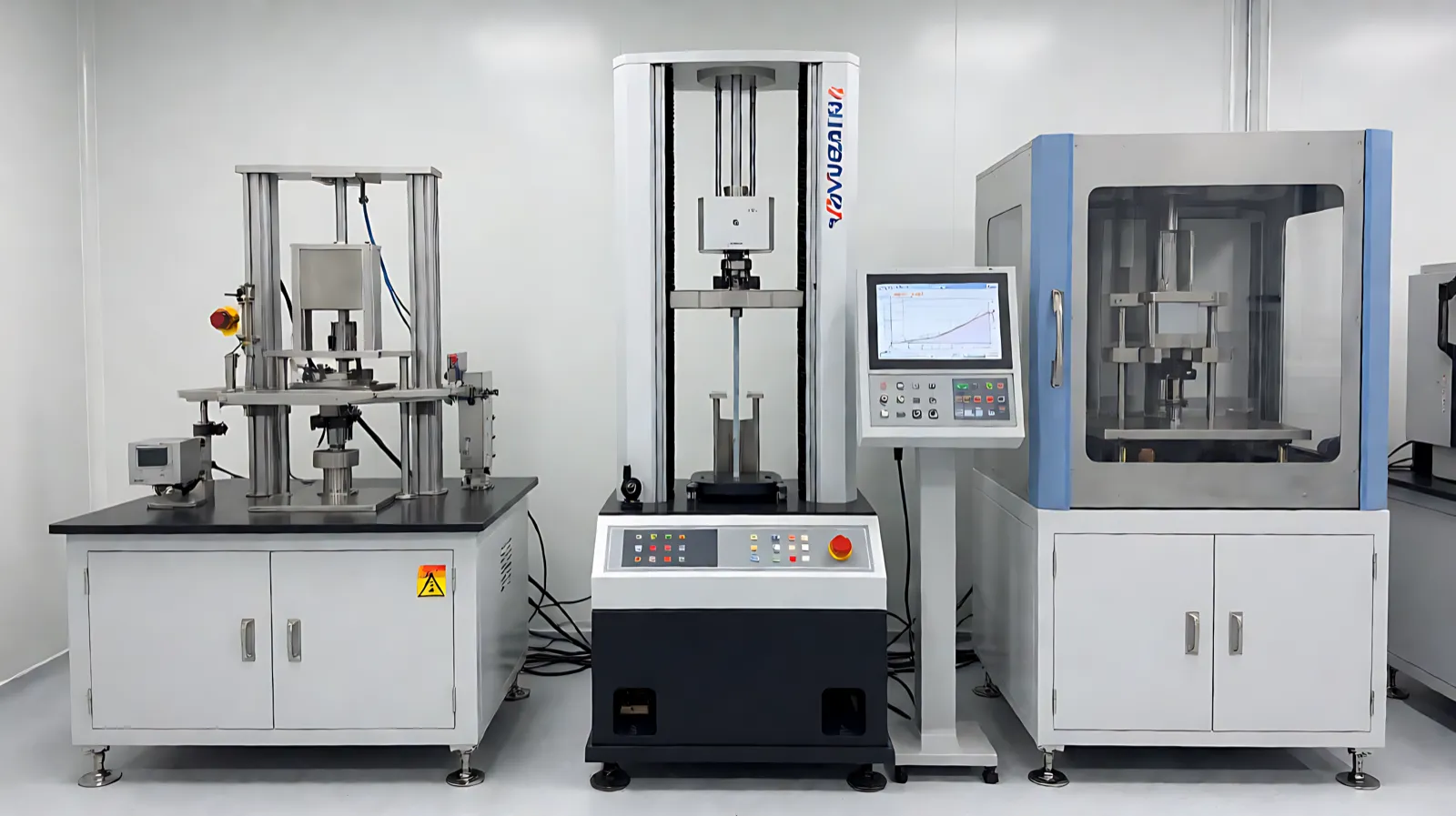
Flexible Pouch Seal Testing: ASTM F88 Tensile vs ASTM F1140 Burst
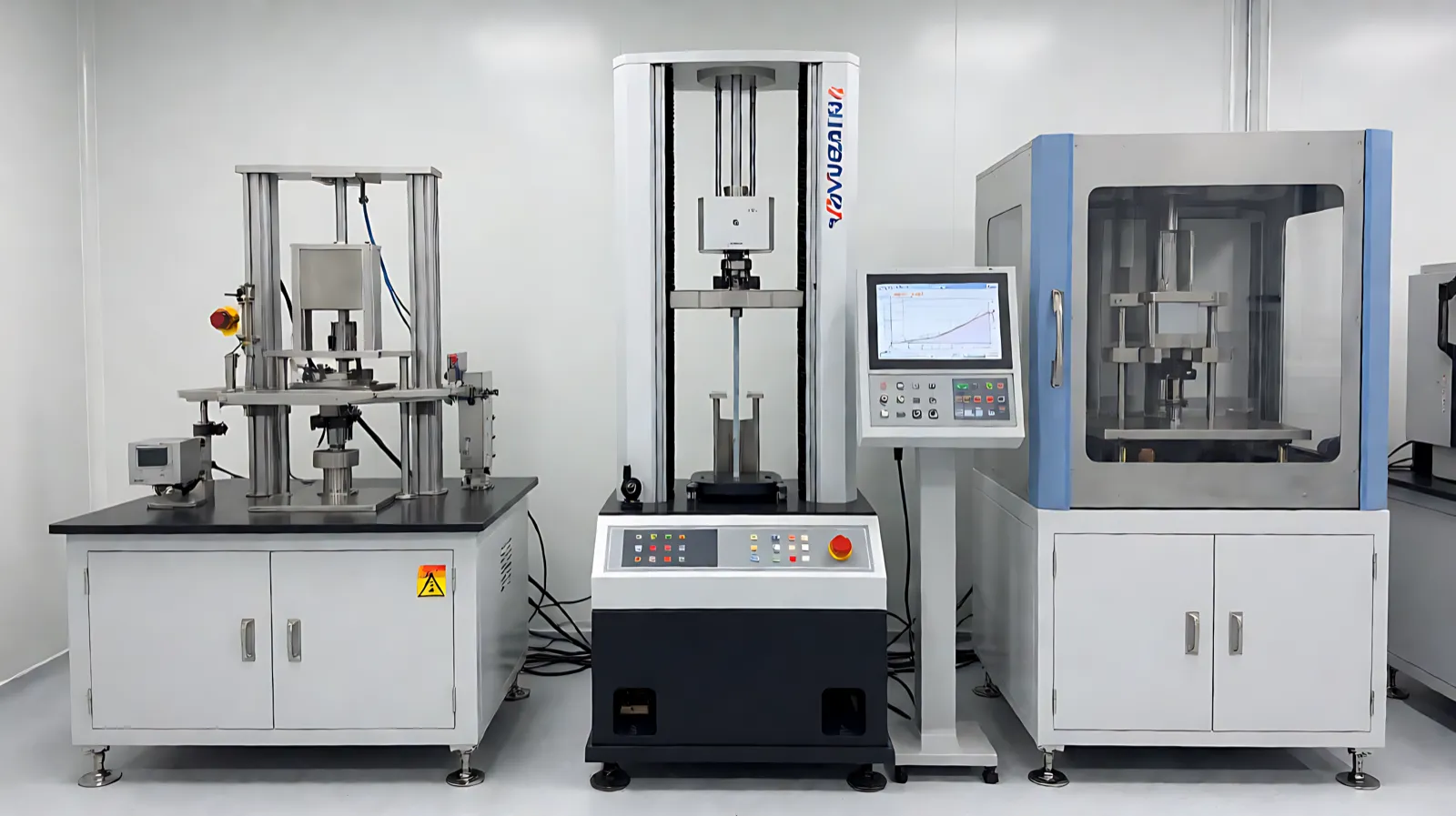
In flexible barrier packaging production, seal failure is the most common cause of product spoilage, customer returns, and regulatory recalls. Whether packaging roasted coffee beans under nitrogen, sterilizing medical devices, or retort-cooking wet pet food, verifying seal integrity is a mandatory quality assurance protocol.
Two standardized test methods dominate flexible package seal qualification: ASTM F88 (Standard Test Method for Seal Strength of Flexible Barrier Materials) and ASTM F1140 (Standard Test Methods for Internal Failure Resistance of Unrestrained and Restrained Packages).
While both standards evaluate seal robustness, they measure fundamentally different physical phenomena. ASTM F88 is a localized tensile peel test measuring peak separation force on a narrow strip of seal, whereas ASTM F1140 is a whole-package pneumatic pressurization test that identifies the weakest structural point under hydrostatic or pneumatic shock.
This technical guide compares testing mechanics, specimen preparation, pass/fail thresholds, and failure mode analysis for quality control engineers.
1. Quick Engineering Benchmark Matrix: ASTM F88 vs. ASTM F1140
| Testing Parameter | ASTM F88 (Tensile Seal Strength) | ASTM F1140 (Internal Pressurization Burst) | ASTM F2054 (Restrained Plate Burst) |
|---|---|---|---|
| Physical Property Measured | Localized peel resistance of bonded interface | Whole-package pneumatic burst pressure / creep | Uniform hydrostatic burst pressure across pouch |
| Specimen Geometry | Cut rectangular strip (15mm, 25mm, or 25.4mm wide) | Whole finished sealed pouch (Unrestrained) | Whole pouch clamped between rigid parallel plates |
| Testing Mechanism | Constant rate of extension (CRE) tensile tester | Pneumatic air injection probe (Pressurization) | Pneumatic air injection within restraining fixture |
| Test Output Units | N/15mm, N/25mm, or lbf/in (Peak tensile load) | kPa, mbar, or psi (Peak burst pressure) | kPa or psi (True seal rupture threshold) |
| Test Speed / Strain Rate | 200 mm/min to 300 mm/min (8 to 12 in/min) | Rapid inflation to rupture (typically 1–5 seconds) | Rapid inflation or slow creep hold (e.g. 30s) |
| Weak Point Identification | Evaluates only the specific extracted strip | Finds the single weakest point across all seals | Finds weakest seal while preventing pouch pillowing |
| Typical Target Thresholds | > 15 N/15mm (Retail food) / > 35 N/15mm (Retort) | > 50 kPa (Dry goods) / > 120 kPa (Heavy liquids) | > 180 kPa (High-barrier retort) |
| Primary Failure Modes | Delamination, adhesive peel, film tear (break) | Corner rupture, transition pinhole, seam split | Perimeter seal blowout |
Review compatible high-strength pouch formats in our Stand-Up Pouches Category and Liquid Spout Pouches Category.
2. Test Mechanics & Physical Principles
Understanding how stress is applied reveals why relying on only one of these tests creates blind spots in quality control.
┌────────────────────────────────────────────────────────────────────────┐
│               ASTM F88 VS ASTM F1140 TESTING MECHANICS                 │
├───────────────────────────────────┬────────────────────────────────────┤
│   ASTM F88: LOCAL TENSILE PEEL    │   ASTM F1140: PNEUMATIC BURST      │
├───────────────────────────────────┼────────────────────────────────────┤
│          Upper Grip (Moving)      │          Pneumatic Sensor Probe    │
│                 ▲                 │                  │                 │
│                 │                 │                  ▼                 │
│         ┌───────┴───────┐         │       ┌─────────────────────┐      │
│         │ Flexible Tail │         │     ╭─┴─────────────────────┴─╮    │
│         │               │         │    │  Internal Air Pressure   │    │
│         ╞═══════════════╡ ◄─ Seal │    │  Uniform Multi-Axial     │    │
│         │               │    Zone │    │  Stress Distribution     │    │
│         │ Flexible Tail │         │     ╰─┬─────────────────────┬─╯    │
│         └───────┬───────┘         │       └─────────────────────┘      │
│                 │                 │       Weakest seam ruptures first  │
│                 ▼                 │                                    │
│          Lower Grip (Fixed)       │                                    │
│                                   │                                    │
│   • 15mm/25.4mm precision strip   │   • Whole package tested           │
│   • Evaluates seal fusion quality │   • Simulates altitude & drop shock│
│   • 180°, 90°, or T-Peel setup    │   • Detects micro-channel leaks    │
└───────────────────────────────────┴────────────────────────────────────┘
ASTM F88: Localized Tensile Separation
In ASTM F88, test specimens are cut perpendicular to the seal line using precision double-blade strip cutters (typically 15.0 mm or 25.4 mm wide). Three grip configurations are permitted:
- Technique A (Unsupported 180° Peel): Both film tails are clamped in opposite vertical grips without external backing.
- Technique B (Supported 90° Peel): The tail of the stiffer web is held at a 90° angle to the seal plane.
- Technique C (Supported 180° Peel): One tail is bent back flat against an acrylic or stainless-steel support plate.
During the test, the tensile crosshead pulls the strips apart at 250 mm/min. A load cell records the peak force ($F_{peak}$) and average force ($F_{avg}$) across the seal width. While this accurately quantifies polymer chain entanglement in the seal area, it cannot identify process variations occurring elsewhere on the perimeter.
ASTM F1140: Internal Pressurization Burst Testing
In ASTM F1140, a hollow pneumatic inflation needle pierces the pouch wall through a high-adhesion rubber septa pad. Compressed air is injected at a controlled flow rate until the package fails.
- Burst Test Mode: Rapid pressurization to catastrophic rupture. Measures maximum pressure containment.
- Creep Test Mode: The pouch is inflated to a predetermined holding pressure (typically 80% of average burst pressure) and held for 30 to 60 seconds. A pressure drop indicates slow seal creep or micro-fissures.
- Creep-to-Fail Mode: Inflation to a set test pressure, measuring elapsed time until seal rupture.
Because internal gas distributes pressure multi-axially across the entire surface area, the package fails at its absolute weakest point—typically at the pouch corner fold, zipper termination notch, or spout canoe wing tip.
3. Failure Mode Classification & Diagnostics
When evaluating seal strength data, recorded force values are meaningless without categorizing the physical failure mode.
ASTM F88 Seal Failure Types:
──────────────────────────────────────────────────────────────────────────
Failure Code         Visual Description              Engineering Assessment
──────────────────────────────────────────────────────────────────────────
Peel (Adhesive)      Smooth separation along seal    Under-heated jaws; low dwell
Cohesive Split       Sealant layer splits in half    Acceptable fusion; ideal for peel pouches
Film Tear (Break)    Film substrate snaps at seam    Ideal permanent seal (Fusion 100%)
Delamination         Lamination adhesive peels apart Inadequate lamination bond strength
Seal Thinning        Plastic necking at seal edge    Over-heated jaws; excessive pressure
──────────────────────────────────────────────────────────────────────────
Diagnosing Common Factory Production Defects:
- Seal Thinning at Jaw Transition: If jaw clamping pressure exceeds 0.6 MPa or heat exceeds 190°C on polyethylene webs, molten polymer is squeezed outwards from the seal bar, leaving an ultra-thin knife-edge at the inner border. Under ASTM F88, the specimen exhibits immediate brittle film breaking at very low force (< 8 N/15mm).
- Zipper Termination Micro-Leaks: In reclosable stand-up pouches, the ultrasonic zipper crush points must fuse 4 layers of film and the heavy zipper profile simultaneously. Under ASTM F1140 burst testing, leaks frequently appear at the zipper corner junction if ultrasonic power or anvil dwell time is miscalibrated. For zipper profile recommendations, see our guide on Pouch Zipper Profiles and Leak Prevention.
- Contaminated Seam Failures: If powders, fats, or liquids splash across the seal area during automated filling, ASTM F88 testing reveals localized adhesive peeling where grease prevents molecular entanglement. Switching to high-caulking metallocene PE resins resolves this defect (see our Cast Polypropylene vs Polyethylene Sealant Guide).
4. Minimum Pass/Fail Standards Across Packaging Sectors
┌─────────────────────────────────────────────────────────────────────────┐
│               RECOMMENDED QUALITY ASSURANCE THRESHOLDS                  │
└─────────────────────────────────────────────────────────────────────────┘| Packaging Format | ASTM F88 Minimum Seal Strength | ASTM F1140 Minimum Burst Pressure | Typical Test Frequency |
|---|---|---|---|
| Retail Dry Snacks (Chips, Nuts) | $\ge 12\text{ N}/15\text{mm}$ | $\ge 35\text{ kPa}$ (Unrestrained) | 1 pouch per shift / former |
| Coffee & Tea Pouches (One-Way Valve) | $\ge 20\text{ N}/15\text{mm}$ | $\ge 60\text{ kPa}$ (Unrestrained) | 2 pouches per production roll |
| Heavy-Duty Pet Food (10kg–20kg) | $\ge 30\text{ N}/15\text{mm}$ | $\ge 90\text{ kPa}$ (Restrained plate) | Every 1,000 pouches |
| Retort Liquid & Wet Food (121°C) | $\ge 35\text{ N}/15\text{mm}$ | $\ge 180\text{ kPa}$ (Restrained plate) | Batch autoclave release QC |
| Medical Device Peelable Pouches | $1.5\text{ to }4.0\text{ N}/15\text{mm}$ (Peel range) | $\ge 25\text{ kPa}$ (Clean fiber-free peel) | ISO 11607 cleanroom lot |
Review our high-integrity barrier offerings across the Custom Standup Pouches Line and Flat Bottom Premium Products.
5. Integrating Both Standards into QA Protocols
To guarantee zero packaging failure in global shipping:
- Initial Process Validation (IQ/OQ/PQ): During line commissioning, run full factorial Design of Experiments (DOE) varying temperature, pressure, and dwell time. Use ASTM F88 to map the optimal thermal sealing window.
- In-Line Shift Testing: During active production runs, execute ASTM F1140 rapid burst tests at 60-minute intervals. The 10-second test provides instant verification that overall pouch integrity has not drifted due to heater cartridge failure or misaligned former ploughs.
- Pre-Shipment Container Inspections: Run restrained-plate ASTM F2054 burst tests alongside ASTM D5276 drop impact testing before clearing overseas container dispatches.
6. Frequently Asked Questions (FAQ)
Why do unrestrained pouches burst at lower pressures than restrained pouches?
In an unrestrained burst test (ASTM F1140), the flexible pouch inflates into a spherical pillow. The large radius of curvature generates enormous hoop stress ($\sigma = \frac{Pr}{2t}$) on the outer seals at low internal pressures. In restrained plate testing (ASTM F2054), parallel plates limit the expansion radius, forcing pressure to load the seal perimeter directly in pure shear and peeling, resulting in higher recorded burst pressures.
Can ASTM F88 be used for peelable easy-open pouches?
Yes. ASTM F88 is the primary standard for peelable medical and snack pouches. For clean peelability, the seal strength curve must display a smooth, plateaued cohesive peel force (typically 2.0 to 4.5 N/15mm) without jagged spikes or substrate fiber tear.
How does pouch storage altitude affect seal burst requirements?
Air freight cargo compartments are pressurized to approximately 75 kPa (equivalent to 2,400 meters altitude), creating a 25 kPa pressure differential across sealed pouch walls. If a pouch contains excess headspace gas and has a burst threshold below 30 kPa, seals will burst in transit. ASTM F1140 ensures packages survive altitude transitions.
For custom packaging validation protocols, laboratory test reports, or technical inquiries, contact CraftPack Global’s engineering laboratory today.