
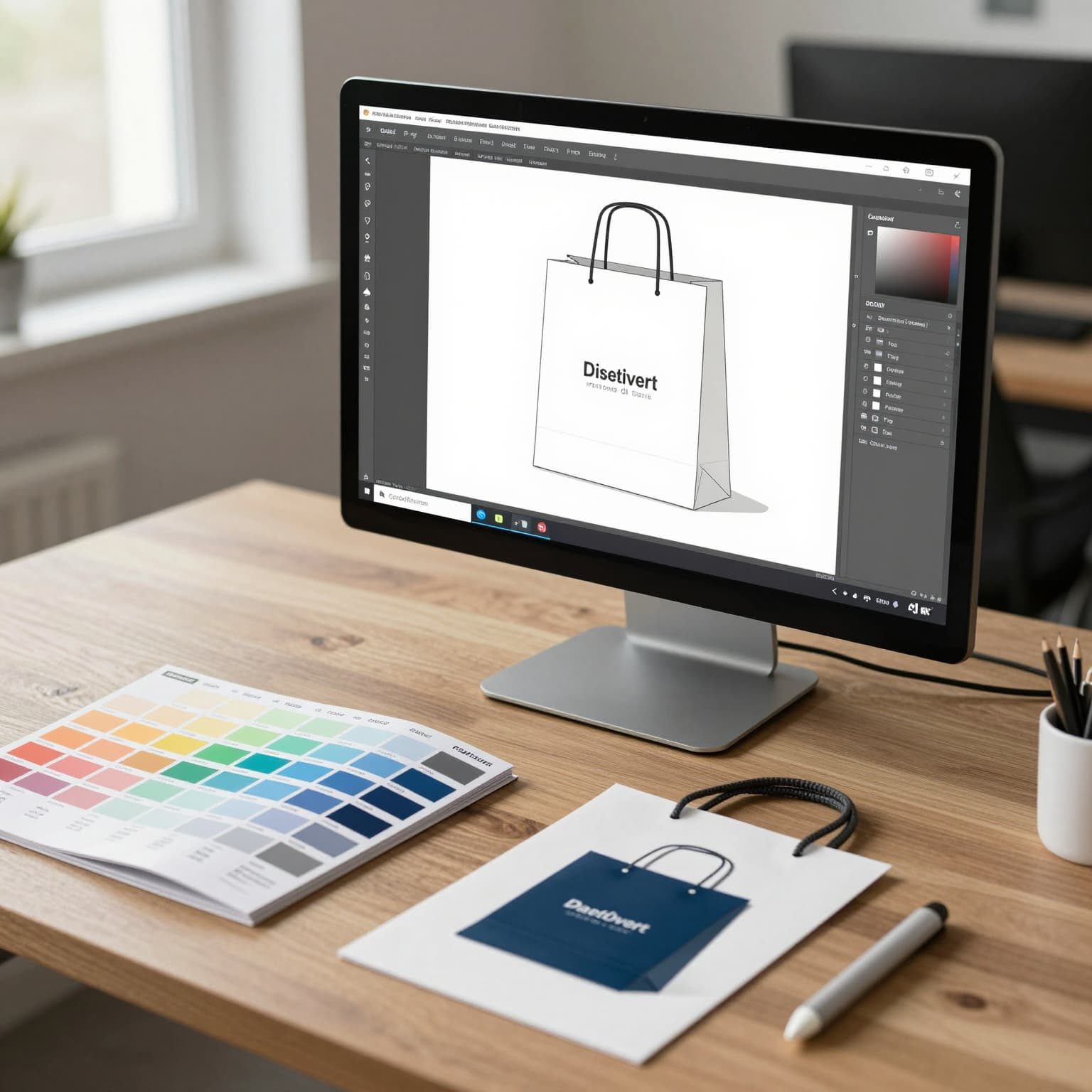
CraftPack Global: Flexible Packaging for Growing Brands
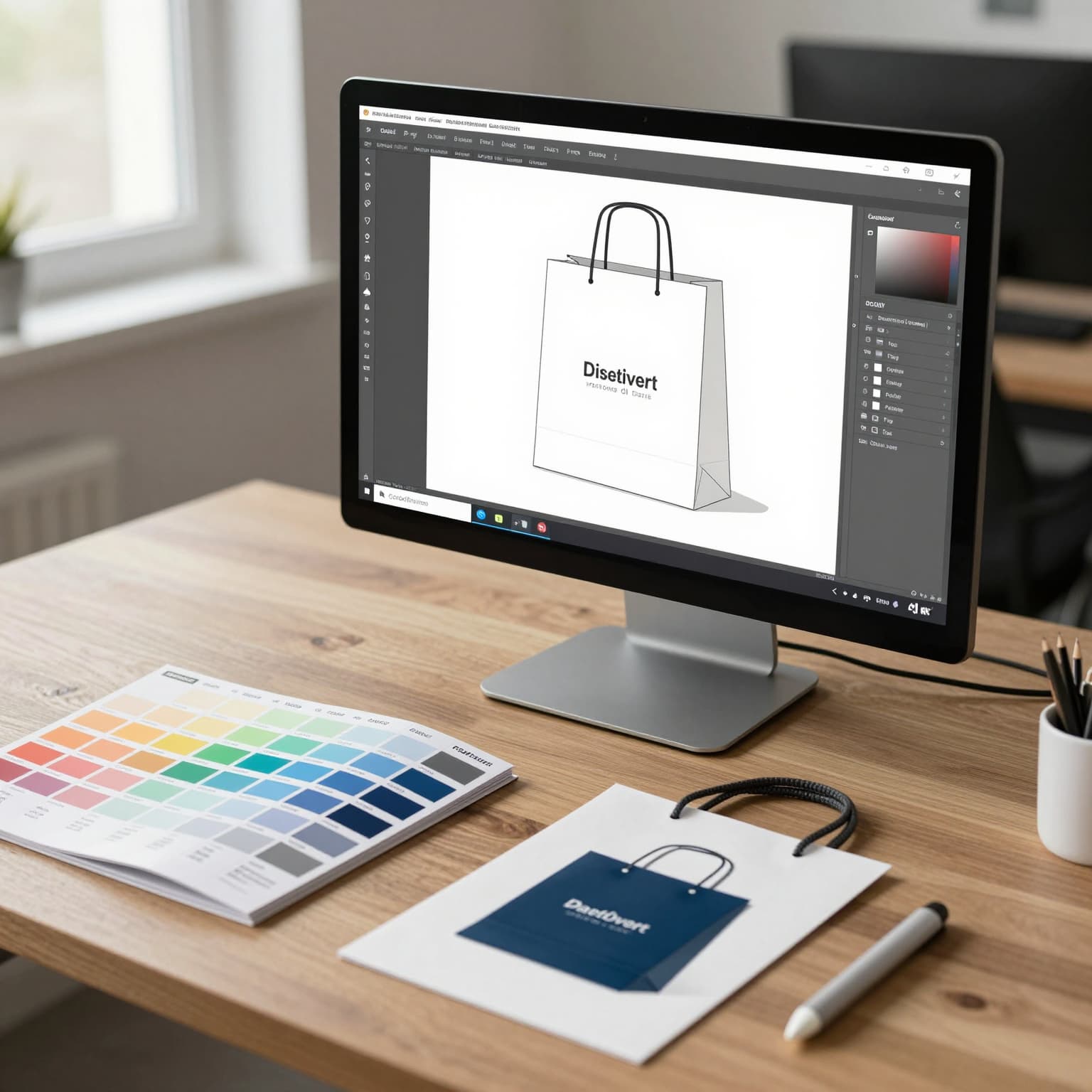
Packaging has become part of the product experience. It protects goods, communicates brand value, supports transport, and often creates the first physical interaction between a customer and a growing brand.
For e-commerce, retail, food-service, and consumer-product businesses, the difficult part is rarely deciding whether custom packaging matters. The real challenge is choosing the right bag format, material, printing method, and order plan without creating unnecessary cost or inventory risk.
CraftPack Global supports that decision-making process with custom bags and flexible packaging solutions from Yiwu, China. Our goal is straightforward: help buyers turn a packaging requirement into a production-ready specification that fits the product, brand, supply chain, and target market.
Why packaging decisions become harder as a brand grows
An early-stage brand may begin with a stock bag and a label. As order volume grows, the packaging brief becomes more demanding:
- Brand colors and artwork must remain consistent across production runs.
- Materials must suit the weight, shape, and handling requirements of the product.
- Packaging must work for retail display, takeaway, delivery, or international shipping.
- Order quantities need to balance unit cost against storage and cash flow.
- Buyers need clear proofs and specifications before approving production.
These requirements are connected. A thicker material may affect handle construction, printing, packing volume, and freight. A premium finish may improve presentation but require different lead times or minimum quantities. Good packaging sourcing therefore starts with the complete use case rather than a product photo alone.
A practical product range for different brand needs
CraftPack Global works across several complementary packaging categories, allowing buyers to compare formats within one sourcing conversation.
Paper shopping and gift bags
Paper shopping bags are widely used by fashion, beauty, gift, and specialty retail brands. Buyers can evaluate paper type, handle style, dimensions, printing, lamination, and finishing according to the desired presentation and carrying strength.
For campaigns, events, and premium product presentation, custom gift bags can provide a more refined unboxing or in-store experience.
Plastic carrier and reusable bags
Plastic carrier bags offer practical options for retail, takeaway, and promotional use. Material thickness, handle design, print coverage, and expected reuse should be defined before quotation.
Brands seeking a longer-use format can consider reusable shopping bags, including non-woven PP, woven PP, rPET, and other constructions selected according to the application.
E-commerce and delivery packaging
E-commerce mailers help online sellers protect products while creating a recognizable delivery experience. The appropriate structure depends on the product, shipping environment, closure, opacity, and any cushioning requirement.
Food-service bags cover takeaway and delivery applications where carrying strength, dimensions, closure, and handling conditions are important parts of the specification.
Flexible pouches
For coffee, snacks, pet products, dry goods, and other packaged products, formats such as stand-up pouches, flat-bottom bags, and side-gusset bags provide different options for shelf presence, filling, sealing, and storage.
Barrier performance is application-specific. Buyers should share the product, target shelf life, filling process, storage environment, and regulatory market so that the structure can be evaluated rather than selected from appearance alone.
Low-MOQ planning without oversimplifying the trade-offs
Growing brands often need a smaller first order to validate a new design, launch a seasonal product, or test a market. CraftPack Global can evaluate flexible order options, but the practical minimum depends on the bag type, dimensions, material, printing process, and finishing requirements.
Instead of treating “low MOQ” as a fixed number for every product, we recommend comparing:
- The simplest production-ready version of the design.
- The quantity needed for the initial launch period.
- The unit-cost change at higher volume tiers.
- Any tooling, plate, sampling, or freight costs.
- The cost of holding excess packaging inventory.
This produces a more useful purchasing decision than choosing the lowest quoted unit price without considering total inventory exposure.
From packaging brief to production approval
A clear workflow reduces misunderstandings and prevents avoidable revisions. A typical custom packaging project includes the following stages.
1. Requirement review
The buyer shares the product type, intended use, target dimensions, estimated quantity, material preference, destination market, artwork, and desired delivery schedule.
2. Material and construction recommendation
The packaging format is reviewed against carrying strength, barrier needs, printing, finish, closure, reuse expectations, and budget. Alternatives can be compared when the original specification is not the most practical option.
3. Artwork and proofing
Print-ready artwork, dielines, colors, text, barcodes, and placement are checked before production approval. Physical or digital proofing requirements depend on the project and should be agreed during quotation.
4. Production and quality checks
Production follows the approved specification. Relevant checks may include dimensions, material, print placement, color, seals, handles, closures, and packing details according to the product type.
5. Packing and shipment coordination
Carton packing, labels, shipping marks, documentation, and the agreed delivery method are confirmed for the destination and purchasing terms.
Choosing more responsible packaging
Sustainability claims should be based on the actual material, construction, use, and disposal route—not on a generic “eco-friendly” label.
Depending on the application, buyers may explore recycled-content materials, reusable constructions, paper-based formats, reduced material weight, or structures designed around a specific collection or composting system. The best option varies by market and must still protect the product effectively.
CraftPack Global encourages buyers to define the environmental goal first. Is the priority reuse, recycled content, lower material use, paper preference, or compatibility with a local waste stream? A clear goal makes material comparisons more meaningful and reduces the risk of unsupported marketing claims.
What to include in a useful quotation request
For a faster and more accurate packaging discussion, provide:
- Product and intended use
- Bag style and approximate dimensions
- Expected contents or carrying weight
- Material or performance requirements
- Order quantity and possible reorder volume
- Number of print colors and artwork file
- Finish, handle, closure, or barrier preferences
- Destination country and required delivery timing
If some details are unknown, share the product and use case. Our team can help structure the questions that need to be answered before quotation.
A packaging partner for the next stage of growth
The right packaging partner should do more than reproduce artwork. Buyers need clear communication about specifications, trade-offs, approvals, production, and delivery.
CraftPack Global works with brands, importers, wholesalers, and product teams across Southeast Asia and other international markets. By combining multiple bag categories with practical specification support, we help growing businesses develop packaging that is distinctive, functional, and realistic to source.
Ready to discuss a project? Contact CraftPack Global or request a quotation with your product, size, material, quantity, printing, and destination requirements.