
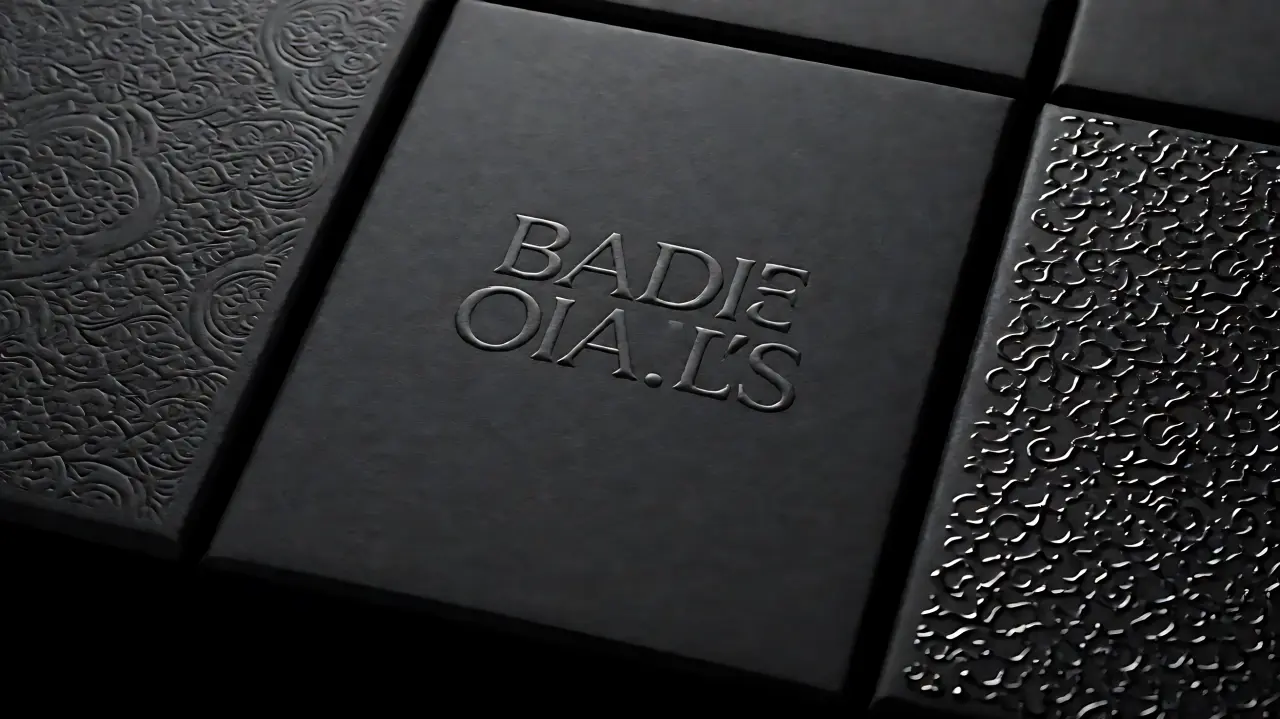
Embossing vs. Debossing vs. Spot UV: Luxury Packaging Guide
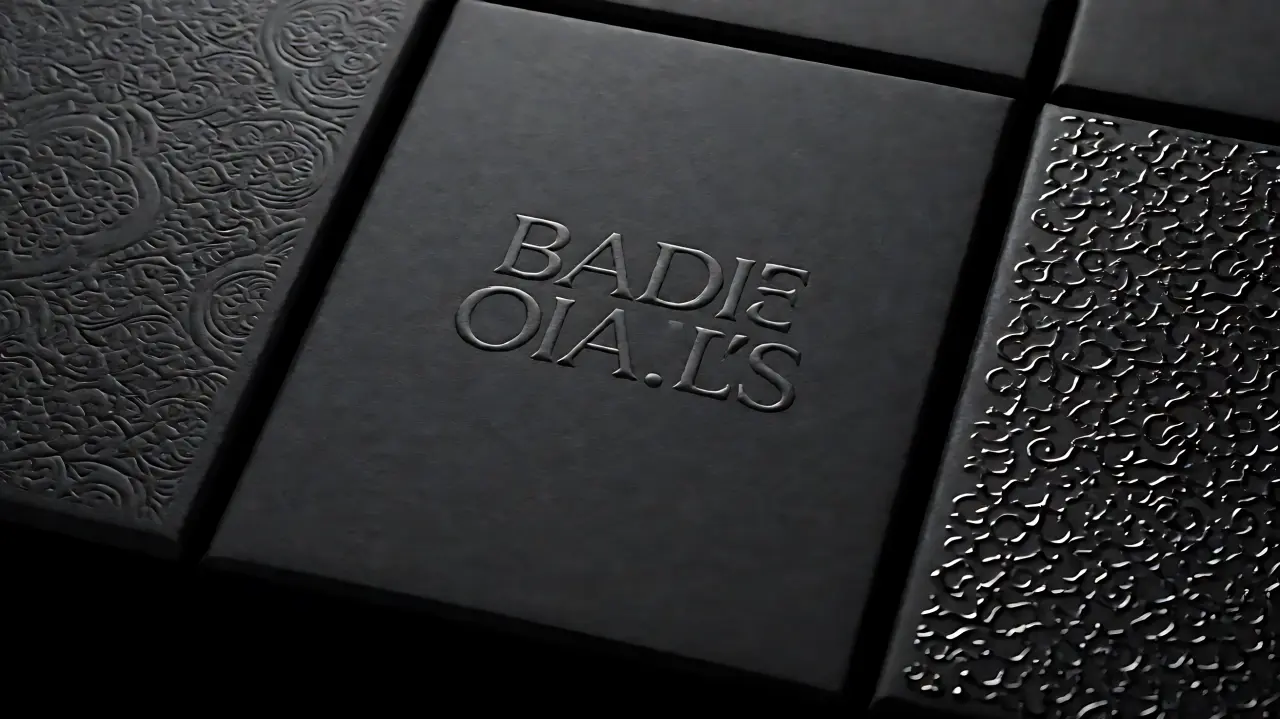
In prestige packaging—including luxury rigid gift boxes, boutique retail paper shopping bags, cosmetics folding cartons, and spirits presentation cases—sensory brand value is communicated through the sense of touch. When consumers run their fingertips across a brand logo or botanical motif, micro-dimensional surface textures trigger subconscious perceptions of artisanal craftsmanship, authenticity, and premium pricing.
To create high-impact tactile contrast, luxury packaging designers specify three core embellishment techniques: Blind Embossing (Raised Relief), Debossing (Depressed Intaglio), and High-Build Spot UV Varnish (Digital 3D Varnish).
However, selecting between mechanical pressure forming (embossing/debossing) and liquid polymer deposition (Spot UV) requires balancing substrate fiber physics, tooling costs, registration tolerances, and rub-abrasion durability.
This technical guide provides an engineering evaluation of Embossing vs. Debossing vs. High-Build Spot UV, analyzing micro-relief depth, CNC brass tooling vs. photopolymer plates, paper tensile elongation limits, and ASTM D5264 abrasion resistance.
1. Technical Matrix: Embossing vs. Debossing vs. High-Build Spot UV
| Specification Parameter | Blind Embossing (Raised 3D) | Debossing (Indented Intaglio) | High-Build 3D Spot UV Varnish | Combination Foil Embossing (Fluted) |
|---|---|---|---|---|
| Physical Mechanism | Mechanical compression between male/female dies | Mechanical stamping with heated male die | Inkjet deposition of UV-cured polymer resin | Stamping die transfers hot foil + sculpts 3D |
| Tactile Direction | Raised relief (+0.3mm to +0.8mm upward) | Sunken indentation (-0.3mm to -0.6mm down) | Raised glossy dome (+0.05mm to +0.25mm) | Raised relief (+0.4mm to +0.7mm) |
| Tooling Required | CNC Brass Male + Counterforce Matrix | Heated Brass or Magnesium Male Die | Zero Tooling (Digital inkjet file) | Precision 3D Sculpted CNC Brass Die |
| Tooling Lead Time & Cost | 3 to 7 Days ($180 – $450 per die set) | 2 to 5 Days ($120 – $300 per die) | Instant / Zero CapEx ($0) | 5 to 10 Days ($350 – $750 per die) |
| Substrate Fiber Strain | High (Risks fiber cracking on dry board) | Moderate (Compresses board thickness) | Zero (Zero mechanical stress on paper) | High (Heat + mechanical elongation) |
| Reverse Side Effect | Shows debossed indent on back of sheet | Minor or zero back-marking on thick board | Zero back-marking (Back stays 100% flat) | Shows debossed indent on back of sheet |
| Visual Gloss / Color Effect | Matte paper texture (Unless foil-stamped) | Smooth, slightly darkened compressed fibers | Ultra-High Gloss (>90 GU) or Matte Varnish | Mirror metallic shine (Gold/Silver/Holo) |
| Sutherland Rub Abrasion (ASTM D5264) | Excellent (Integral paper deformation) | Flawless (Recessed; protected from rub) | High (Can chip if adhesion fails) | Excellent |
| Cost Profile by Run Length | High tooling amortizes across $>3,000$ units | Economic for medium-to-large runs | Ultra-Economic for short runs (<2,000) | Premium luxury tier |
To review our complete custom packaging and luxury finishing options, visit our Custom Printed Gift Bags Category and Paper Shopping Bags Category.
2. Structural Mechanics: Mechanical Deformation vs. Polymeric Deposition
Understanding the mechanical behavior of these finishes requires analyzing how they manipulate paper surfaces:
Embellishment Cross-Sectional Geometry:
Embossing (Raised Male/Female Deformation):     Debossing (Compressed Intaglio Stamping):
       [Female Counter Die]                            [Heated Male Stamping Die]
           ┌──────────┐                                       ┌──────────┐
           │          │                                       │  ▼ ▼ ▼   │
───────────┘          └───────────             ───────────────┘          └───────────────
      Paper Sheet Pushed Upward                      Paper Fibers Compressed Downward
───────────┐          ┌───────────             ──────────────────────────────────────────
           │  ▲ ▲ ▲   │
           └──────────┘                        High-Build 3D Spot UV (Additive Liquid):
        [Male Raised Die]                              UV Varnish Dome (+150µm)
                                                               ╭────────╮
                                                               │  UV    │
                                                       ────────┴────────┴────────────────
Base Paper Remains 100% Flat-
Mechanical Blind Embossing & Counterforces:
- Requires a matched pair of dies: a CNC-milled brass male die (raised pattern) and an epoxy or fiberglass female matrix (recessed cavity).
- Under hydraulic pressures of 20 to 50 metric tons on platen die-cutting presses (such as Heidelberg or Bobst machines), the paper web is stretched past its elastic yield point.
- Limitation: Because the sheet is physically pushed upward, the reverse side of the board displays an identical debossed negative indent. For rigid setup boxes, this is hidden by wrapping the board onto greyboard; for single-ply shopping bags, the reverse indentation is visible inside the bag.
-
Debossing (Intaglio Indentation):
- Utilizes a single heated male die pressing into the front of heavy paperboard, compressing the porous cellular structure of the paper fibers.
- On heavy unbleached kraft papers or multi-ply greyboards ($> 350\text{ GSM}$), debossing creates a clean, sophisticated sunken depression without creating an unsightly bulge on the reverse side.
-
High-Build 3D Spot UV Varnish (Additive Polymeric Deposition):
- Does not alter the paper fiber structure. Instead, specialized digital embellishment presses (such as Scodix or MGI JETvarnish) jet liquid photopolymer acrylic varnish onto designated vector paths.
- A high-intensity UV LED lamp cures the liquid instantly, building a tactile raised dome with thicknesses from 20 to 250 microns (0.02mm to 0.25mm).
- Delivers stunning tactile contrast (gloss varnish on matte paper) with zero tooling dies, zero registration drift, and zero reverse-side indentation.
3. Paper Physics: Fiber Elongation & Cracking Prevention
A critical quality challenge in deep mechanical embossing is surface fiber cracking:
Substrate Fiber Strain Limits:
Elongation at Break (%) = [(Stretched Length - Original Length) / Original Length] × 100%
Standard Virgin Kraft:  3.5% to 5.0% Elongation Limit (High Stretch)
Recycled PCW Board: 1.8% to 2.5% Elongation Limit (Short Brittle Fibers — Cracking Hazard)- Moisture Content Calibration: Paperboard must maintain a relative moisture content of 5.5% to 6.5%. If paper is dried out ($< 4.5%$ moisture) in winter factory storage, cellulose fibers lose plastic ductility. Deep embossing dies will split the outer paper fibers along the 90° contour edges, exposing white inner pulp.
- Die Bevel Angles: For heavy card stocks, packaging engineers specify bevel angles of 30° to 45° on die edges rather than vertical 90° shoulders. Chamfered bevels distribute tensile elongation across a wider fiber radius, eliminating micro-tears.
4. Durability & Logistics Abrasion: ASTM D5264 Sutherland Rub Testing
In transit, packaged boxes and bags rub together under road vibration:
- Debossing Protection Advantage: Because debossed graphics sit below the planar baseline of the packaging surface, they never contact adjacent boxes inside master cartons. Debossed motifs show zero scuffing or foil flaking even after 500 strokes on a Sutherland rub tester.
- Embossing & Spot UV Rub Vulnerability: Raised embossed ridges and 3D spot UV domes represent the highest topographic points on the box, absorbing 100% of transport frictional abrasion.
- Engineering Countermeasure: Always apply an anti-scuff thermal matte lamination or scratch-resistant water-based overprint varnish (OPV) prior to embossing or spot UV coating to prevent transit burnishing.
5. Strategic Luxury Embellishment Selection Blueprint
                      What is your production run volume?
                                     │
                     ┌───────────────┴───────────────┐
             Short Run (< 2,500 Units)                  Large Run (> 5,000 Units)
         (Special Editions, Pilot Launches)            (Core Retail Boutique Inventory)
                     │                               │
         Do you require fast turnaround      Does the design feature multi-level
          with zero tooling plate costs?      3D sculpting or metallic hot foil?
                     │                               │
        ┌────────────┴────────────┐             ┌────┴──────────────────────────┐
       YES                        NO            │ Deploy CNC Brass Tooling:     │
        │                          │            │ - Sculpted multi-level emboss │
  Deploy High-Build Spot UV:       │            │ - Combination foil embossing  │
  - Digital print-on-demand        │            │ - Deep blind debossing        │
  - Variable tactile thickness     │            │ - Lowest per-unit cost        │
  - Zero reverse-side marking      │            └───────────────────────────────┘
  - High gloss/matte contrast      │
  - Fast 48h turnaround            └──────────> Deploy Standard Magnesium
                                                Debossing Dies for Medium Runs
Elevate your brand’s retail tactile presence by requesting custom-finished material swatches and embossed prototypes through our Custom Gift Packaging Division.