
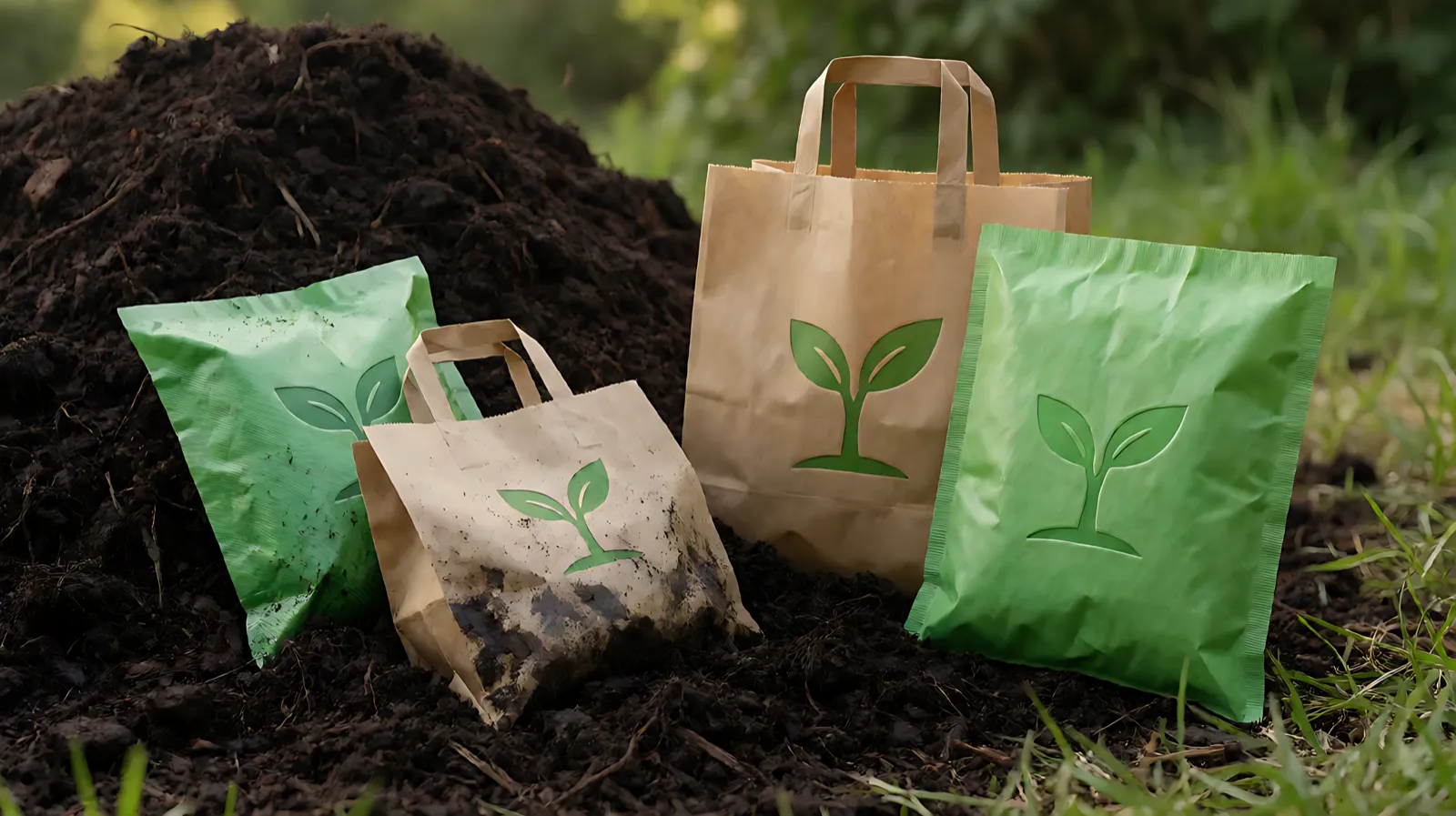
Compostable vs Oxo-Degradable Plastics: Global Compliance Guide
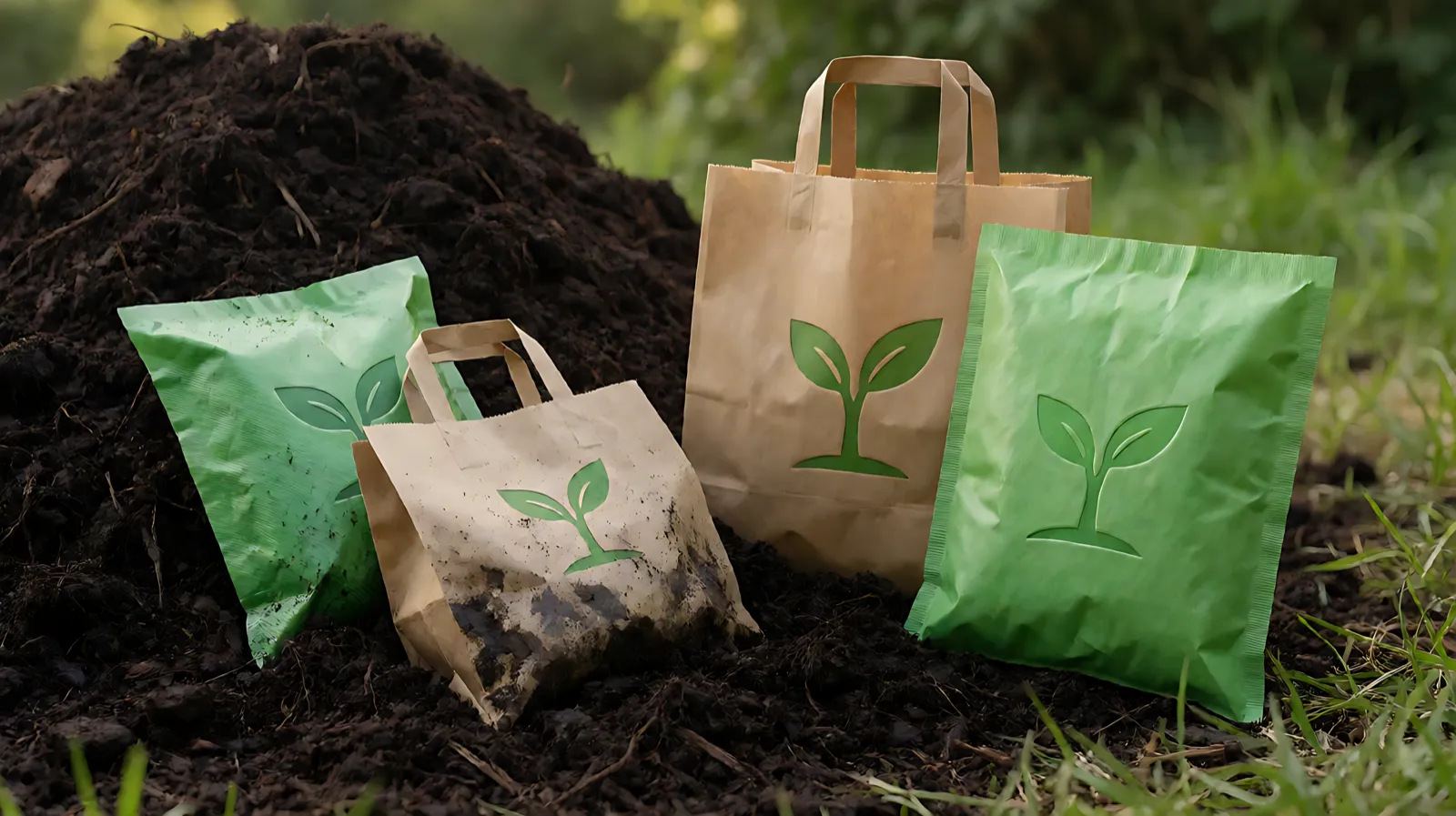
For international brands and packaging procurement managers navigating sustainable plastics, green terminology has become an expensive legal minefield. Words like “degradable,” “oxo-biodegradable,” and “compostable” are often conflated in marketing collateral—yet legally, they represent the difference between compliant circular packaging and severe customs seizure fines.
Under the European Union Single-Use Plastics Directive (EU SUPD 2019/904) and similar legislation across North America, the United Kingdom, and Australia, oxo-degradable plastics are strictly banned. Importers attempting to market conventional plastics containing transition-metal pro-oxidant additives as “eco-friendly” face product bans and false-advertising penalties under the US FTC Green Guides.
Conversely, certified compostable bioplastics—formulated from polyesters like PBAT, PLA, and thermoplastic starch (TPS)—meet rigorous biological decomposition standards (EN 13432 / ASTM D6400).
This compliance guide details the degradation chemistry, microplastic environmental hazards, regulatory bans, and verification procedures required for global export.
1. Quick Engineering Benchmark Matrix: Certified Compostable vs. Oxo-Degradable
| Regulatory & Technical Parameter | Certified Industrial Compostable (EN 13432 / ASTM D6400) | Certified Home Compostable (NF T 51-800 / OK compost HOME) | Oxo-Degradable / Oxo-Biodegradable (Banned) |
|---|---|---|---|
| Base Polymer Chemistry | Bio-based / synthetic aliphatic polyesters (PBAT + PLA) | High-starch PBAT blends / PHA (Polyhydroxyalkanoates) | Conventional fossil polyolefins (PE or PP + Transition metal salts) |
| Degradation Mechanism | Complete biological enzymatic mineralization | Ambient microbial enzymatic conversion | Abiotic fragmentation via UV and thermal oxidation |
| End Products of Decomposition | CO₂, Water ($H_2O$), and Biomass (Humus) | CO₂, Water ($H_2O$), and Biomass (Humus) | Persistent Microplastics (< 5mm synthetic fragments) |
| Testing Duration Threshold | > 90% disintegration in 84 days; 90% biodegradation in 180 days | > 90% biodegradation in 365 days @ 20°C–30°C | Uncontrolled fragmentation over 1 to 5 years |
| Ecotoxicity Testing | Mandatory plant germination & earthworm assays | Mandatory plant germination & earthworm assays | No standard biological safety testing |
| Heavy Metal Thresholds | Strictly capped (Zn, Cu, Ni, Cd, Pb, Hg limits) | Strictly capped | Frequently uses cobalt, manganese, or iron stearates |
| EU Legal Status (Directive 2019/904) | 100% Legal & Approved | 100% Legal & Approved | STRICTLY PROHIBITED (Total EU Sales Ban) |
| US FTC Green Guides Status | Permitted with explicit municipal facility caveats | Permitted with explicit backyard caveats | Classified as Deceptive & Unlawful |
| Typical Packaging Formats | E-commerce shipping mailers, produce bags, bin liners | Garden waste bags, apparel polybags, takeaway wrap | Obsolete shopping carrier bags |
Explore compliant bio-based mailing formats in our E-Commerce Mailers Category and review our Compostable Shipping Mailers Product.
2. Chemical Breakdown Mechanics: Mineralization vs. Microplastic Fragmentation
The core scientific difference between certified compostable materials and oxo-degradable plastics lies in whether the plastic molecules actually undergo biological assimilation.
┌────────────────────────────────────────────────────────────────────────┐
│                   DEGRADATION PATHWAY COMPARISON                       │
├───────────────────────────────────┬────────────────────────────────────┤
│   CERTIFIED COMPOSTABLE (EN 13432)│    OXO-DEGRADABLE PLASTIC (BANNED) │
├───────────────────────────────────┼────────────────────────────────────┤
│   Polymer: PBAT / PLA / Starch    │    Polymer: LDPE + Cobalt Stearate │
│               ↓↓↓                 │               ↓↓↓                  │
│   Moisture + Heat + Microorganisms│    Sunlight (UV) + Thermal Heat    │
│               ↓↓↓                 │               ↓↓↓                  │
│   Enzymatic Ester Hydrolysis      │    Abiotic Polymer Chain Scission  │
│   [ Cleaves into small monomers ] │    [ Polyethylene tears into grit ]│
│               ↓↓↓                 │               ↓↓↓                  │
│   Microbes consume monomers       │    Billions of Microplastic Flakes │
│               ↓↓↓                 │    (< 100µm) entering soil & water │
│   ═════════════════════════════   │    ═════════════════════════════   │
│   FINAL PRODUCTS:                 │    FINAL PRODUCTS:                 │
│   100% CO2 + H2O + Organic Humus  │    Persistent Toxic Microplastics  │
└───────────────────────────────────┴────────────────────────────────────┘
The Mechanism of Oxo-Degradable Failure
Oxo-degradable plastics are simply conventional non-biodegradable plastics (like LDPE, HDPE, or PP) blended with 1% to 2% chemical pro-oxidant masterbatches—typically transition metal salts such as cobalt, manganese, or iron dithiocarbamates.
- When exposed to heat or ultraviolet solar radiation, the metal salts catalyze the breakdown of long polyethylene polymer chains into shorter oxidized fragments.
- The plastic loses mechanical tensile strength and fragments into fine flakes.
- The Critical Hazard: Microorganisms cannot readily digest polyethylene carbon-carbon backbones. These microscopic synthetic fragments accumulate in agricultural soil, wash into marine ecosystems, absorb toxic pesticides, and enter the human food chain as microplastics.
The Mechanism of True Compostable Mineralization
Certified bioplastics rely on aliphatic ester linkages (such as the ester bonds in PBAT and PLA).
- When placed in a compost environment with adequate relative humidity (> 60%) and active microbes, moisture cleaves the ester bonds through chemical hydrolysis.
- Bacteria and fungi secrete esterase and lipase enzymes that consume the broken oligomers and monomers as an energy source.
- The carbon atoms are converted into carbon dioxide ($CO_2$), water ($H_2O$), and cell biomass, leaving zero synthetic residues or hazardous microplastics.
For polymer blending formulas on PBAT/PLA mailers, see our technical guide on Compostable Mailers Polymer Science.
3. Global Regulatory Landscape & Bans
┌─────────────────────────────────────────────────────────────────────────┐
│               REGULATORY ENFORCEMENT SUMMARY WORLDWIDE                  │
└─────────────────────────────────────────────────────────────────────────┘
European Union: Directive (EU) 2019/904
Article 5 of the Single-Use Plastics Directive explicitly prohibits the placing on the market of any single-use plastic products made from oxo-degradable plastic. The ban applies regardless of whether the plastic is intended for short-term packaging or long-term industrial use. Violations result in immediate market withdrawal and heavy fines across all EU member states.
United States: FTC Green Guides Enforcement
The Federal Trade Commission (FTC) considers unqualified “biodegradable” or “degradable” claims on conventional plastics containing oxo-additives deceptive. Because municipal landfills lack the oxygen, sunlight, and moisture necessary for rapid degradation, and because pro-oxidants merely fragment into microplastics, companies marketing oxo-additives in the US have faced multimillion-dollar civil penalties and consent decrees.
United Kingdom & Australia
- UK: Under packaging regulations, oxo-degradable plastics cannot be claimed as biodegradable and are ineligible for plastic packaging tax exemptions.
- Australia: The National Plastics Plan phased out oxo-degradable plastics nationwide in 2022, mandating strict compliance with Australian compostable standards (AS 4736 for industrial and AS 5810 for home composting).
4. The 4 Verification Pillars of EN 13432 Certification
To legally label flexible packaging as compostable in export markets, manufacturers must obtain formal certification through accredited bodies such as TÜV Austria (OK compost) or the Biodegradable Products Institute (BPI).
Certification requires passing four rigorous laboratory phases:
EN 13432 Testing Requirements:
──────────────────────────────────────────────────────────────────────────
Testing Phase        Standard Protocol   Pass / Fail Criteria
──────────────────────────────────────────────────────────────────────────
1. Chemical Characterization ISO 11469   Heavy metal limits: Pb < 50 ppm,
                                         Cd < 0.5 ppm, Hg < 0.5 ppm, F < 100 ppm
2. Biodegradability  ISO 14855           ≥ 90% organic carbon converted to CO2
                                         within 180 days in controlled compost
3. Disintegration    ISO 16929           < 10% sample residue remaining on 2mm
                                         sieve after 84 days (12 weeks)
4. Ecotoxicity       OECD 208            ≥ 90% plant germination rate & biomass
                                         yield compared to control blank soil
──────────────────────────────────────────────────────────────────────────
Review our verified sustainable product offerings in our FSC Certified Paper Shopping Bags and Custom RPET Shopping Bags.
5. Procurement Checklist for B2B Buyers & Importers
Before placing purchase orders for “biodegradable” flexible packaging:
- Demand the Specific Standard Number: Require certificates explicitly stating EN 13432 (EU), ASTM D6400 (US), AS 4736 (Australia), or NF T 51-800 (Home compost). Reject vague claims of “ISO compliant” or “d2w tested.”
- Check the Certificate License Number: Verify the test report against official public registers:
- TÜV Austria Seedling / OK compost register
- BPI Certified Products database
- DIN CERTCO registry
- Verify Thickness Limits: Compostability certificates are issued for a maximum film thickness (typically 50µm to 80µm). If your custom courier mailer is 100µm thick, the certificate for 60µm film is technically invalid.
- Audit Printing Inks and Adhesives: Solvents, pigments, and peel-and-seal adhesives must not exceed heavy metal limits or inhibit soil microbial health. Water-based flexographic inks certified eco-toxicologically benign must be specified.
6. Frequently Asked Questions (FAQ)
Can certified compostable mailers be recycled with standard polyethylene poly mailers?
No. Compostable bioplastics (PBAT/PLA) cannot be recycled in traditional LDPE recycling streams (Code 4). If mixed into polyolefin recycling systems, polyesters degrade and cause melt defects in recycled resins. Compostable bags should be routed to industrial composting facilities or domestic green waste bins where local regulations permit.
How long can compostable mailers be stored in a warehouse before degrading?
When stored in standard climate-controlled warehouse conditions (15°C to 25°C, < 50% RH away from direct UV sunlight), certified compostable mailers have a stable shelf life of 12 to 18 months. Degradation only accelerates when exposed to moisture, soil microbes, and elevated composting temperatures (> 50°C).
Are oxo-degradable additive suppliers still operating in Asia?
Yes, some masterbatch suppliers continue to sell pro-oxidant additives marketed under brand names like d2w, Oxo-Bio, or Reverte. However, exporting finished bags with these additives to the EU, UK, US, or Australia violates local import directives. Always specify pure PBAT/PLA resins certified to EN 13432.
To request authentic test certificates, certified compostable film samples, or regulatory guidance for international customs clearance, contact CraftPack Global’s sustainability team today.