
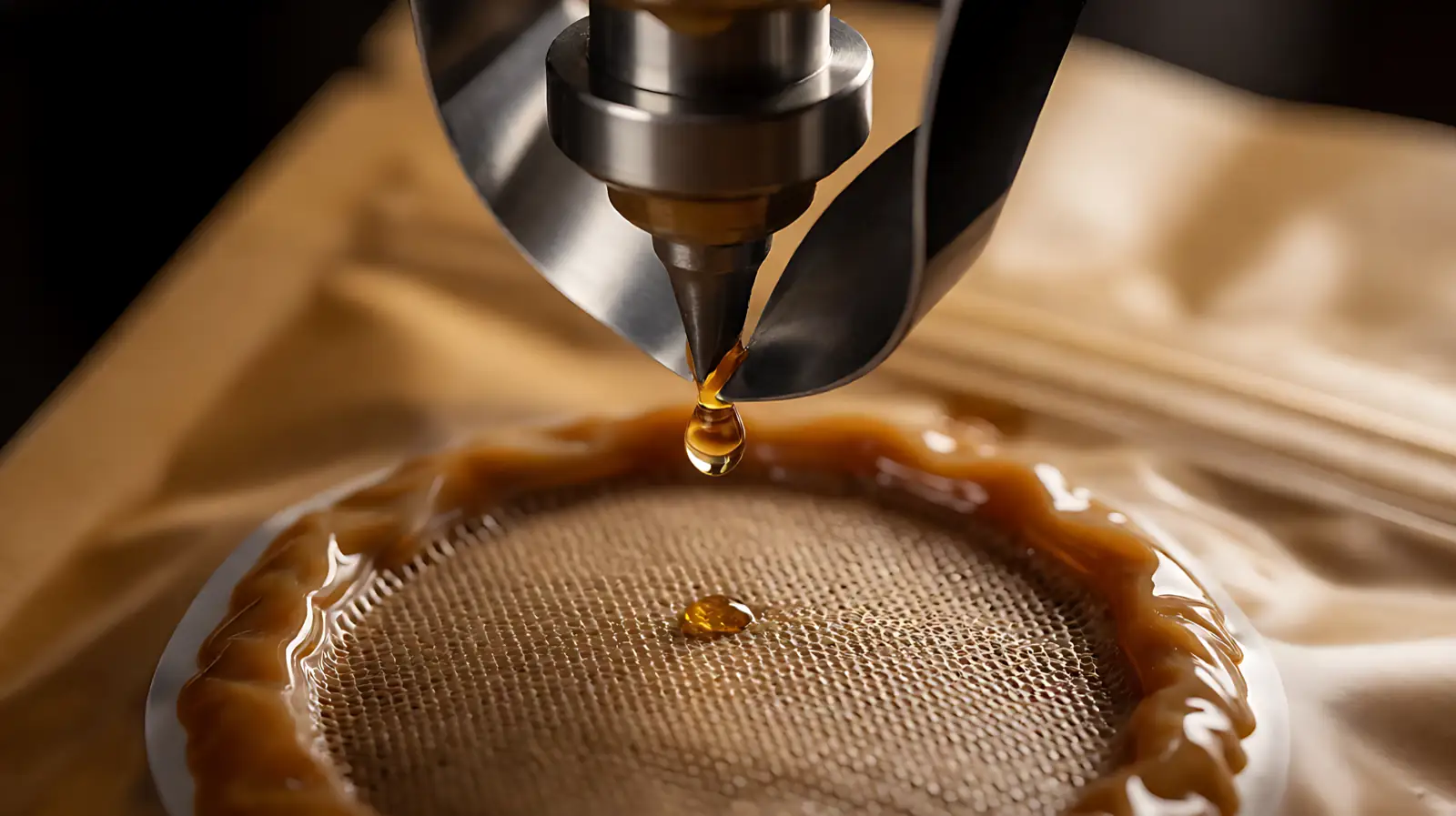
Coffee Degassing Valves: Thermal Weld vs Ultrasonic Sealing Guide
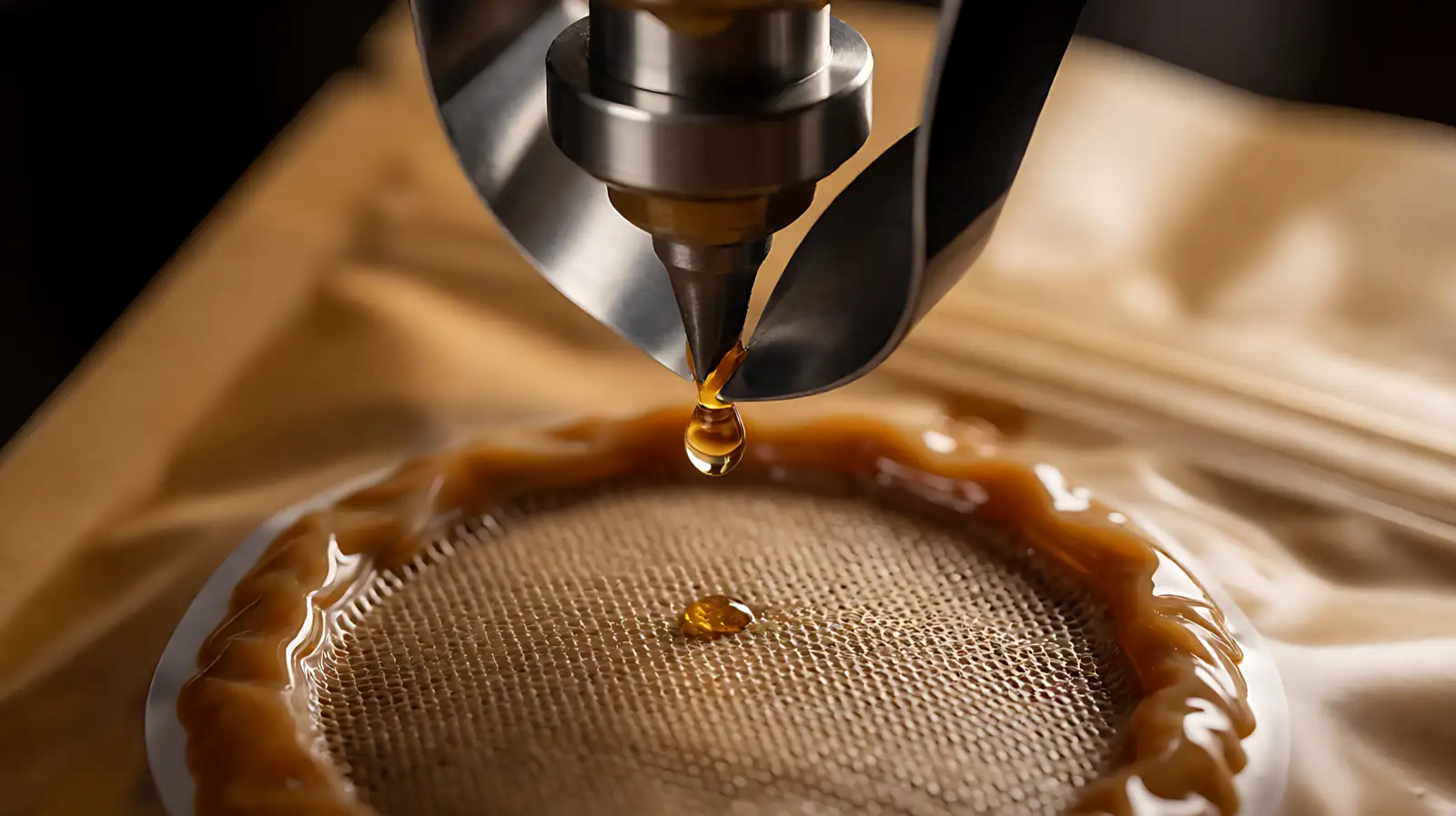
In specialty coffee packaging, roasting triggers complex chemical pyrolysis, generating between 2 to 5 liters of carbon dioxide ($CO_2$) gas per kilogram of coffee over the first two weeks post-roast. If whole bean coffee is sealed inside an impermeable barrier pouch without gas relief, internal pressure balloons the bag within 48 hours, causing seam rupture or pallet destabilization.
Conversely, if the bag is simply vented with an open hole, ambient oxygen rapidly penetrates, oxidizing volatile aromatic terpenes and turning delicate single-origin notes stale in days.
The engineering solution is the One-Way Degassing Valve—a micro-check valve that releases internal $CO_2$ while blocking exterior oxygen ingress.
However, a degassing valve is only as reliable as its insertion weld. Packaging converters and roasters face a critical technical choice when configuring pouch converting lines: Thermal Heat Welding vs. Ultrasonic Valve Sealing.
This technical guide compares thermal and ultrasonic valve welding across acoustic physics, thermal degradation of silicone seal fluids, cycle speeds, and pressure differential thresholds.
1. Quick Engineering Benchmark Matrix
| Operating Parameter | Thermal Conduction Heat Welding | Ultrasonic Acoustic Sealing |
|---|---|---|
| Energy Source | Electrically heated circular brass/steel jaw | Piezoelectric transducer + 20 kHz acoustic horn |
| Weld Cycle Time | 400 – 700 milliseconds | 120 – 200 milliseconds (Ultra-fast) |
| Thermal Substrate Stress | High (Conducts heat through outer BOPET film) | Zero (Heat generated solely at inner polymer interface) |
| Silicone Oil Degradation Risk | Moderate to High (Radiant heat thins oil bead) | Zero (Ambient temperature preservation of oil viscosity) |
| Film Puckering & “Crow’s Feet” | Common around circular valve perimeter | Zero (Aesthetic mirror flatness around pinhole) |
| Pinhole Channel Hermeticity | Dependent on consistent operator jaw alignment | Extremely high (Self-regulating acoustic resonance) |
| Valve Opening Pressure (Delta P) | 3.0 to 5.0 mbar (0.04 to 0.07 psi) | 3.0 to 5.0 mbar (0.04 to 0.07 psi) |
| Converting Line Speed Limit | 45 – 70 pouches/minute | 90 – 140+ pouches/minute |
Review degassing dynamics in our Nitrogen Flushing vs Degassing Valves Coffee Guide and Stand-Up Pouches Category.
2. Anatomy of a One-Way Degassing Valve
To evaluate welding risks, packaging engineers must understand the internal components of a flexible degassing valve:
┌────────────────────────────────────────────────────────────────────────┐
│                   ONE-WAY DEGASSING VALVE CROSS-SECTION                │
├────────────────────────────────────────────────────────────────────────┤
│                                                                        │
│               [ EXTERIOR ATMOSPHERE (Oxygen Blocked) ]                 │
│                                                                        │
│   ══════════════════════════ [POUCH FILM PINHOLE] ══════════════════   │
│                              ▲                  ▲                      │
│   ┌──────────────────────────┼──────────────────┼──────────────────┐   │
│   │ VALVE BASE CAP (HDPE)    │ Gas vents out    │                  │   │
│   ├──────────────────────────┴──────────────────┴──────────────────┤   │
│   │ ELASTOMERIC RUBBER DIAPHRAGM                                   │   │
│   │ ░░░░░░░░░░░░░░░░░░░░░░░░░░░░░░░░░░░░░░░░░░░░░░░░░░░░░░░░░░░░░ │   │
│   │ FOOD-GRADE SILICONE OIL FLUID (Viscosity: 1,000 cSt)           │   │
│   ├────────────────────────────────────────────────────────────────┤   │
│   │ INLET PORTS (4-Hole Array)                                     │   │
│   ├────────────────────────────────────────────────────────────────┤   │
│   │ NON-WOVEN FILTER MEMBRANE (Blocks Coffee Grounds & Oil Dust)   │   │
│   └────────────────────────────────────────────────────────────────┘   │
│                              ▲                  ▲                      │
│               [ INTERNAL POUCH HEADSPACE (CO2 Build-up) ]              │
│                                                                        │
│   1. Coffee off-gasses CO2, internal pressure rises to > 3.5 mbar.     │
│   2. Gas pressure lifts rubber diaphragm against silicone surface.     │
│   3. CO2 escapes through pinhole. Once pressure drops to 1.5 mbar,     │
│      capillary action of silicone oil snaps diaphragm closed.          │
│                                                                        │
└────────────────────────────────────────────────────────────────────────┘
The valve relies on a microscopic droplet of food-grade silicone fluid (1,000 cSt viscosity) acting as a liquid capillary seal. If this fluid is heated excessively during insertion welding, its viscosity thins, causing the valve to leak or fail to reclose.
3. Thermal vs. Ultrasonic Sealing Physics
┌────────────────────────────────────────────────────────────────────────┐
│                   VALVE WELDING PROCESS MECHANICS                      │
├───────────────────────────────────┬────────────────────────────────────┤
│     THERMAL CONDUCTION WELDING    │      ULTRASONIC ACOUSTIC WELDING   │
├───────────────────────────────────┼────────────────────────────────────┤
│                                   │                                    │
│   [HEATED METAL DIE: 185°C]       │   [TITANIUM ACOUSTIC HORN: 20 kHz] │
│          │                        │          │                         │
│          ▼ Conductive Heat        │          ▼ High-Frequency Waves    │
│   ┌─────────────────────────────┐ │   ┌─────────────────────────────┐  │
│   │ Outer BOPET (Heat Stressed) │ │   │ Outer BOPET (Room Temp 25°C)│  │
│   │ Inner LLDPE Sealant         │ │   │ Inner LLDPE Sealant         │  │
│   ├─────────────────────────────┤ │   ├─ ─ ─ ─ ─ ─ ─ ─ ─ ─ ─ ─ ─ ─ ─┤  │
│   │ VALVE WELD FLANGE (PE)      │ │   │ VALVE WELD FLANGE (PE)      │  │
│   └─────────────────────────────┘ │   └─────────────────────────────┘  │
│                                   │          ▲                         │
│   • Heat must soak through film   │   • Frictional intermolecular heat │
│   • Long dwell time (500ms)       │     generated ONLY at weld face    │
│   • Risks radiant heat to fluid   │   • Ultra-fast 150ms weld cycle    │
│                                   │   • Zero thermal pucker on film    │
│                                   │                                    │
└───────────────────────────────────┴────────────────────────────────────┘
The Thermal Conduction Dilemma
Thermal insertion presses a ring-shaped heating element (175°C to 195°C) against the outside of the pouch film to conduct heat through the laminate and melt the inner PE sealant to the valve flange:
- Because heat must pass through the outer BOPET or paper layer, the exterior web experiences thermal expansion. When cooled, differential shrinkage creates unsightly wrinkles (“crow’s feet”) around the valve button.
- If machine timing stalls for even 1 second, excessive radiant heat penetrates the valve housing, degrading the silicone oil droplet or distorting the rubber diaphragm.
The Ultrasonic Solution
Ultrasonic insertion utilizes high-frequency mechanical vibrations (20,000 cycles per second / 20 kHz) transferred via a shaped titanium or aluminum sonotrode horn:
- The acoustic vibrations pass through the outer film without heating it.
- At the microscopic contact interface between the valve flange and inner PE film, mechanical shear friction generates localized polymer melting in less than 150 milliseconds.
- When vibration ceases, molten polymer crystallizes under clamp pressure, producing a hermetic molecular bond while the valve core and exterior film remain at ambient room temperature.
4. Quality Control & ASTM Testing Standards
To verify that valve insertion has not compromised pouch shelf life, converters execute three quantitative QA protocols:
┌────────────────────────────────────────────────────────────────────────┐
│                 VALVE QUALITY AUDITING BENCHMARKS                      │
├──────────────────────┬──────────────────────┬──────────────────────────┤
│ TEST PROTOCOL        │ GOVERNING METHOD     │ ACCEPTANCE THRESHOLD     │
├──────────────────────┼──────────────────────┼──────────────────────────┤
│ Valve Opening Delta P│ Pneumatic flow meter │ Opens at: 3.0 – 5.5 mbar │
│ Valve Closing Delta P│ Backward pressure dec│ Closes at: ≥ 1.2 mbar    │
│ Pinhole Seam Leakage │ ASTM F1929 Dye Pen   │ Zero capillary migration │
│ Burst Resistance     │ ASTM F1140 Inflation │ Withstands > 0.35 MPa    │
└──────────────────────┴──────────────────────┴──────────────────────────┘- Opening / Closing Differential Pressure ($\Delta P$): If the valve opens below 2.0 mbar, premature off-gassing strips away aromatic volatiles. If it fails to open below 7.0 mbar, pouch walls stretch and stress seams.
- Vacuum Hold Test (Zero Reverse Ingress): The pouch is subjected to a mild vacuum to confirm that external air cannot flow backward through the valve membrane.
- Weld Perimeter Dye Penetration (ASTM F1929): Fluorescent dye is injected into the valve cavity to verify that the annular weld ring contains zero microscopic channels or unwelded voids.
For box pouch structures, compare formats in our Quad Seal vs 8-Side Seal Flat Bottom Guide.
5. Valve Placement & Graphic Dieline Strategy
Where the valve is positioned on the pouch affects both brand aesthetics and roasting fulfillment:
OPTIMAL COFFEE VALVE PLACEMENT ZONES
┌──────────────────────────────────────────────────────────────┐
│  Top Zipper Header                                           │
│  ══════════════════════════════════════════════════════════  │
│                                                              │
│  ▲                                                           │
│  │ 25mm – 35mm Headspace Zone                                │
│  ▼                                                           │
│            ┌─────┐                                           │
│            │ (O) │ ◄── OPTIMAL VALVE CENTERLINE              │
│            └─────┘     (Positioned above product fill level) │
│                                                              │
│  ┌────────────────────────────────────────────────────────┐  │
│  │                                                        │  │
│  │  PRIMARY BRANDING & ROAST PROFILE ARTWORK AREA         │  │
│  │                                                        │  │
│  └────────────────────────────────────────────────────────┘  │
│                                                              │
│  Whole Bean Coffee Bed (Dense solid mass)                    │
└──────────────────────────────────────────────────────────────┘- Position Above the Fill Line: The valve must always be welded 25mm to 35mm below the zipper within the empty headspace. If positioned within the bean bed, coffee beans can press physically against the rubber disc, mechanically blocking it from opening.
- Rear Panel vs. Front Registered: While specialty roasters frequently place the valve centered on the front panel as a functional quality signifier, high-end luxury brands often move the valve to the upper-back panel to preserve 100% of the front dieline for uninterrupted graphic artwork.
6. Sourcing & Specification Checklist for Coffee Brands
When purchasing pre-valved coffee pouches:
- Specify Ultrasonic Insertion on Foil Laminates: Eliminate visual heat-wrinkles around the valve on matte and gloss flexible films.
- Mandate Filter Membranes for Ground Coffee: If packaging ground coffee or espresso grinds, specify valves with integrated non-woven filter screens to prevent fine dust from jamming the silicone fluid seal.
- Verify Delta P Certification: Request batch quality test reports confirming valve opening pressure between 3.0 and 5.5 mbar.
- Pair with Proper Barrier Laminates: Ensure pouch substrate delivers OTR < 0.5 cc/m²/day to complement the one-way valve performance.
Premium Coffee Packaging from CraftPack Global
CraftPack Global engineers high-barrier coffee pouches featuring precision ultrasonic one-way degassing valves, certified low-migration inks, and custom dieline dimensions for whole bean and ground coffee roasters worldwide.
Contact Our Coffee Packaging Engineers to request sample pouches, dielines, and factory-direct volume quotations.